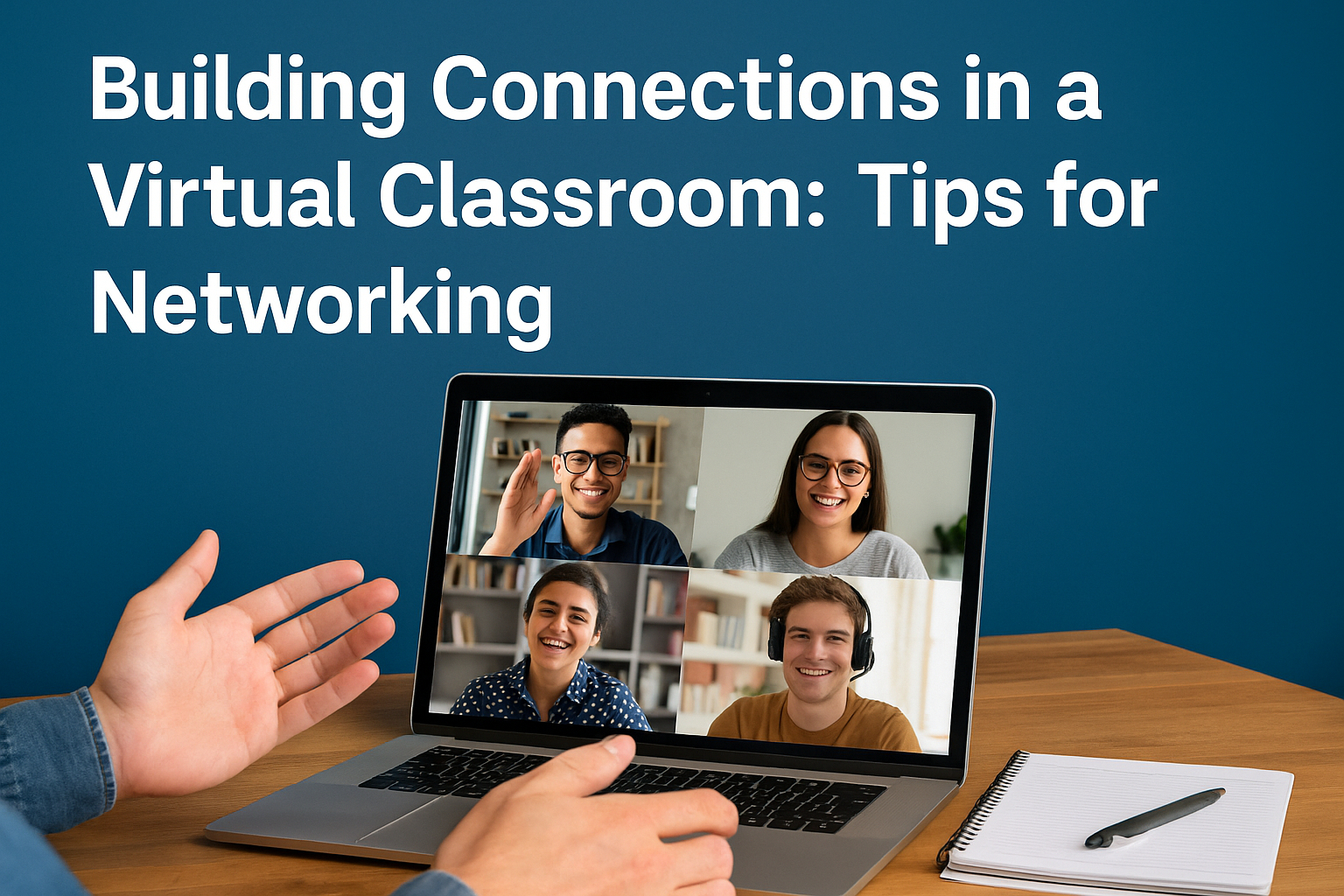
One of the biggest concerns about online learning is the loss of face-to-face interaction. In traditional classrooms, conversations before or after class, group projects, and campus activities create natural opportunities to connect. But in a virtual classroom, building relationships takes more intentional effort. The good news is that networking online is not only possible—it can be just as effective with the right approach.
1. Actively Participate in Discussions
Don’t just attend virtual classes—engage. Share your thoughts in chat boxes, contribute to discussion forums, and ask questions during live sessions. Active participation helps peers and instructors recognize you and makes it easier to start conversations later.
2. Use Breakout Rooms Wisely
Breakout sessions mimic small group discussions. Instead of staying quiet, use them to introduce yourself, share insights, and connect with classmates. These smaller interactions often lead to stronger bonds.
3. Leverage Social Media and Messaging Apps
Many virtual classes have WhatsApp, Slack, or Discord groups. Joining and engaging in these spaces helps extend connections beyond the classroom. Be respectful, helpful, and consistent in your contributions.
4. Collaborate on Group Projects
Treat group projects as networking opportunities. Be reliable, take initiative, and maintain clear communication. Strong teamwork often turns into lasting professional relationships.
5. Reach Out to Professors and Mentors
Networking isn’t just with classmates. Build connections with instructors by asking thoughtful questions, attending office hours, and seeking guidance. Professors often have industry contacts and can open doors to opportunities.
6. Attend Virtual Events and Webinars
Look out for workshops, guest lectures, or networking sessions offered by your institution. These events provide a chance to connect with professionals and peers outside your immediate class.
7. Follow Up and Stay Connected
Networking doesn’t end after class. Send thank-you messages after collaborations, check in with peers regularly, and keep the conversation going. Long-term connections are built through consistency and genuine interest.
Final Thoughts
Building relationships in a virtual classroom may feel different, but it’s far from impossible. By actively participating, leveraging digital tools, and nurturing connections beyond class time, students can create a strong professional network. Remember, networking is about giving as much as receiving—offer support, share resources, and be genuinely interested in others.