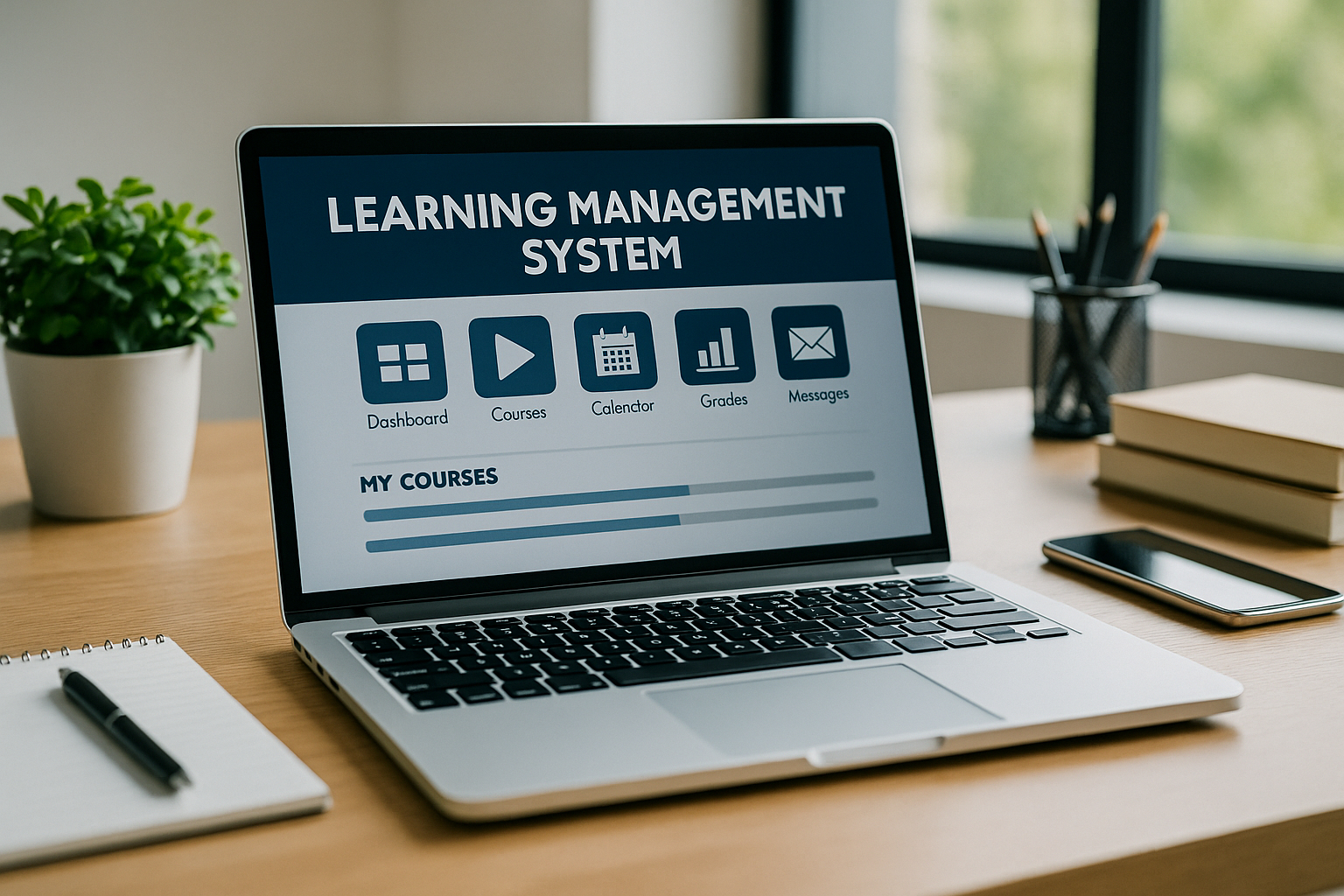
Cloud-based learning management systems (LMS) have transformed how students learn and how educators deliver content. As technology evolves, these platforms are becoming smarter, faster, and more flexible. Schools, universities, and training organizations increasingly rely on cloud-based systems because they reduce costs, improve accessibility, and support real-time updates. The newest LMS innovations are making learning more personalized, interactive, and efficient for users at every level.
More Personalized Learning Experiences
Modern cloud-based LMS platforms use data analytics to tailor learning paths to each student’s needs. Instead of following a one-size-fits-all model, learners now receive content based on their progress, interests, and performance. Adaptive learning features help identify areas where students need support and adjust lessons accordingly. This creates a more engaging experience that helps students learn at their own pace.
Smarter Integrations and Automation
The latest LMS systems integrate seamlessly with a wide range of tools, including video platforms, virtual classrooms, HR systems, and productivity apps. Automation is also playing a larger role. Tasks such as grading, attendance tracking, and content updates can now be automated, reducing workload for educators. These features free up more time for teaching and improve consistency across courses.
Enhanced Collaboration and Communication
Cloud-based LMS platforms now offer better communication features, making it easier for students and instructors to connect. Integrated discussion boards, group workspaces, real-time messaging, and collaborative documents encourage active participation. Virtual classrooms allow educators to host live sessions with interactive elements like polls, quizzes, and breakout rooms. These tools help recreate the engagement of in-person classes in a digital format.
Mobile-First Learning
With more students learning on-the-go, mobile-friendly design has become essential. New LMS systems are optimized for smartphones and tablets, ensuring that learners can access content anytime and anywhere. Mobile apps provide offline access, push notifications, and convenient course navigation, making education more flexible and accessible.
Advanced Security and Data Protection
As digital learning expands, protecting student data has become a top priority. Modern LMS platforms now include stronger encryption, multi-factor authentication, and improved monitoring tools. Cloud providers offer automatic backups and continuous updates, reducing the risk of data loss or downtime. This ensures a safe and reliable learning experience for institutions and students alike.
Conclusion
Cloud-based learning management systems are evolving quickly, bringing powerful features that enhance personalization, collaboration, and accessibility. With smarter automation, stronger security, and seamless integrations, the newest LMS platforms are shaping a more dynamic and flexible future for education. For students and educators, these advancements make digital learning more intuitive, efficient, and engaging than ever before.