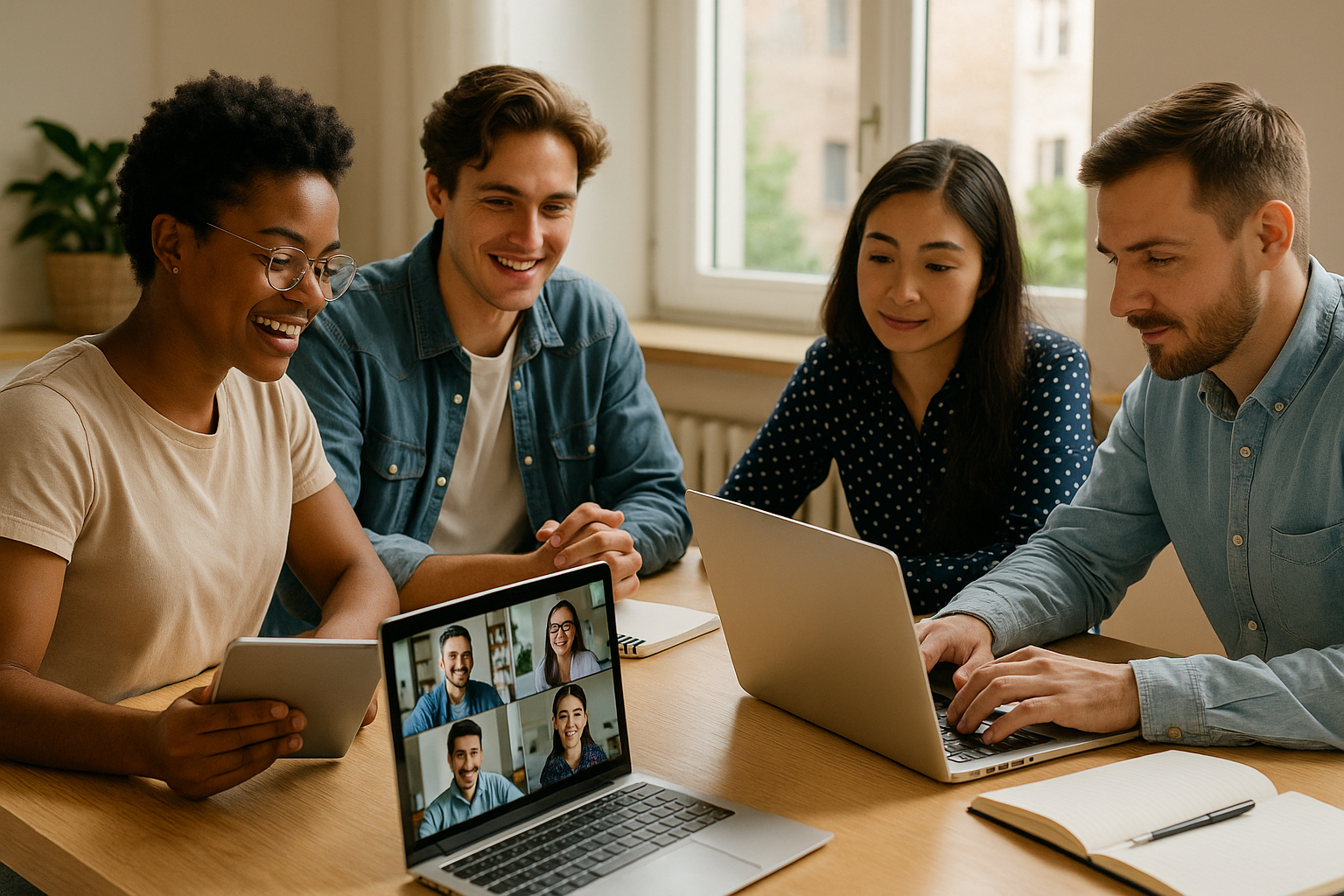
The shift to digital learning has transformed not only how students absorb knowledge but also how they collaborate. Online group work has become a cornerstone of modern education, teaching communication, teamwork, and project management in a virtual setting. While remote collaboration presents unique challenges, it also opens up opportunities to connect learners across geographies, time zones, and cultures. Adopting the right strategies ensures that online collaboration remains engaging, productive, and inclusive.
The Evolution of Online Collaboration
Before the rise of e-learning, group work was largely confined to classroom discussions or in-person study sessions. Now, with platforms like Zoom, Google Workspace, Slack, and Miro, students can brainstorm, co-edit, and manage projects seamlessly from anywhere. These tools mimic real-world workplace environments, preparing learners for a global, remote-ready workforce.
However, digital teamwork also introduces hurdles such as miscommunication, uneven participation, and “Zoom fatigue.” To overcome these, educators and students must adopt intentional practices that promote structure, equity, and connection.
Best Practices for Effective Virtual Collaboration
1. Establish Clear Roles and Goals
Successful online teamwork begins with clarity. Assigning specific roles — such as coordinator, researcher, writer, and presenter — prevents confusion and ensures accountability. Setting measurable goals and timelines keeps everyone aligned and minimizes delays.
2. Choose the Right Tools for the Task
The choice of platform can make or break collaboration.
Communication: Zoom or Microsoft Teams for discussions.
Project Management: Trello, Asana, or Notion for task tracking.
Document Collaboration: Google Docs or Miro for real-time editing and brainstorming.
The key is consistency — use a small, reliable set of tools to avoid fragmentation.
3. Foster Open and Respectful Communication
In virtual environments, tone and intent can easily be misunderstood. Encourage team members to use clear, concise language and active listening. Regular check-ins, video calls, and written updates create transparency and maintain team morale.
4. Balance Flexibility and Accountability
Online learning often involves participants from different time zones and commitments. Setting flexible deadlines and asynchronous collaboration options (like shared documents and discussion threads) helps accommodate everyone while keeping progress on track.
5. Encourage Social Connection
Building rapport is just as important as completing assignments. Short icebreakers, informal chats, or “virtual coffee breaks” foster trust and make collaboration smoother. When people feel connected, they’re more engaged and willing to contribute.
The Instructor’s Role in Online Group Work
Educators play a vital role in guiding and monitoring group dynamics. By providing clear expectations, structured feedback, and reflection opportunities, instructors help students develop digital collaboration skills that extend beyond the classroom.
Conclusion
Collaborative online group work is no longer just a temporary solution — it’s a vital component of modern education and professional development. By combining structure with empathy and leveraging digital tools effectively, students can experience the power of teamwork in new, inclusive, and impactful ways. The future of learning is connected — and collaboration remains its most valuable skill.