Designing online courses that serve a broad range of learners improves outcomes and engagement.
By intentionally planning accessibility, pacing, and interaction, course creators can reduce barriers to learning.
This piece presents practical steps to balance flexibility, clarity, and inclusivity without adding undue complexity.
Following these guidelines helps instructors reach more students while maintaining high-quality instructional design.
Understand learner variability
Begin by mapping the different profiles in your audience, including prior knowledge, technical skills, and preferred learning modalities.
Collect data through simple pre-course surveys and analytics to identify common challenges and resource gaps.
Recognize that variability includes situational factors like time constraints, device access, and language proficiency.
Use these insights to prioritize which adaptations will have the most impact on learner success.
Targeted adaptations make the course feel responsive and reduce dropout risk.
Design choices informed by real learner data are more effective than assumptions.
Apply universal design principles
Universal Design for Learning (UDL) encourages multiple means of representation, expression, and engagement to meet diverse needs.
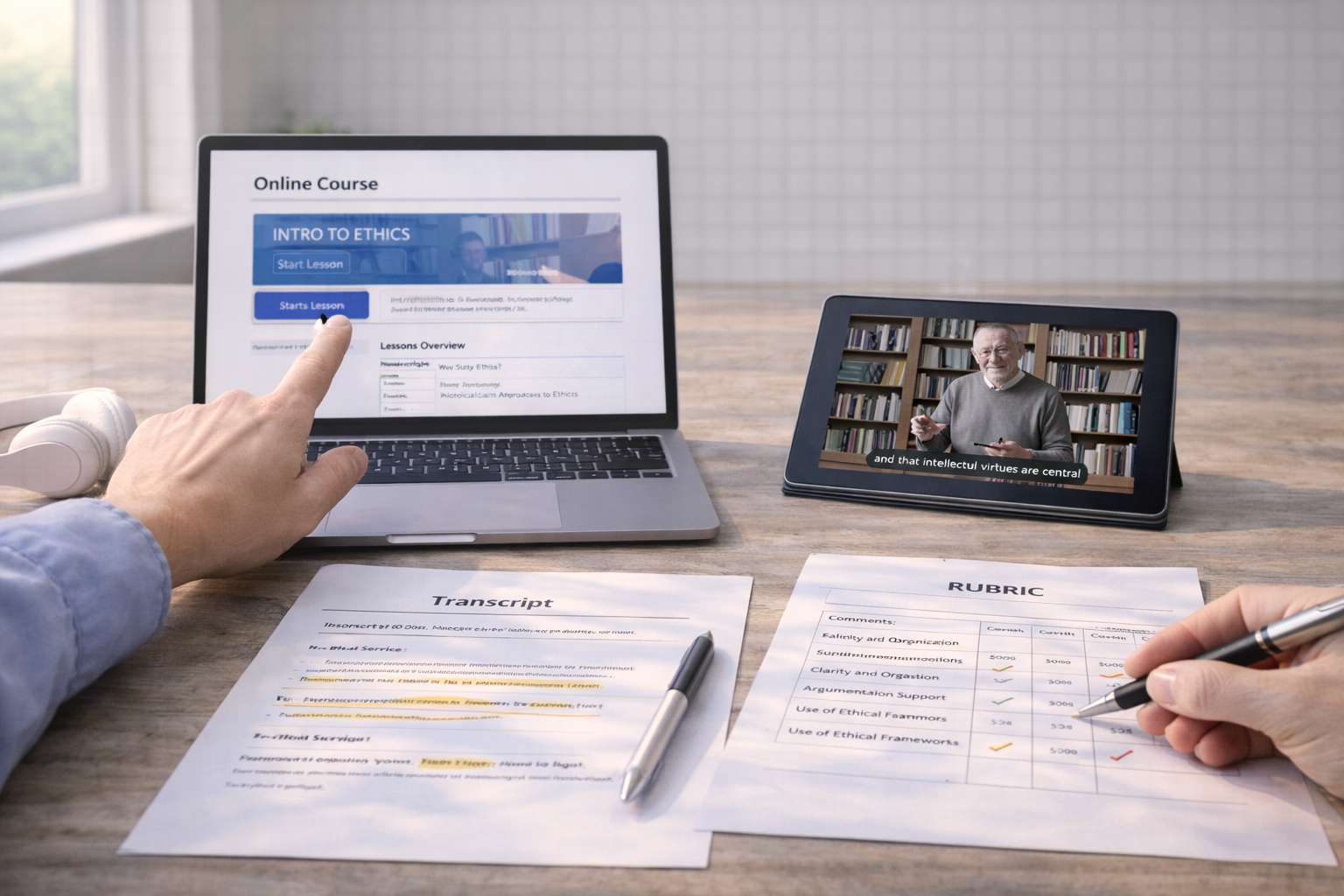
Offer content in audio, video, and text formats, and provide transcripts and summaries for essential materials.
Structure lessons with clear objectives, predictable navigation, and chunked content to ease cognitive load.
When assessments allow varied demonstration of mastery, learners can leverage their strengths while instructors measure intended outcomes.
Small investments in alternative formats pay off in accessibility and retention.
Prioritize changes that benefit the widest range of students first.
Build flexible interaction and assessment
Design activities that accommodate different schedules and interaction styles, such as asynchronous discussions, short quizzes, and optional live sessions.
Use rubrics and clear criteria so learners understand expectations and instructors can grade consistently.
Automated quizzes provide immediate feedback while project-based tasks encourage deeper synthesis and practical application.
Blend formative checks with summative assessments to support ongoing learning and course adjustments.
- Offer multiple submission formats where feasible.
- Design low-stakes practice opportunities before graded work.
- Provide exemplar responses and annotated feedback.
Flexibility in interaction reduces anxiety and encourages persistence.
Clear feedback loops help learners progress and instructors refine materials.
Conclusion
Accessible course design combines empathy, data, and practical choices to serve diverse learners.
Implementing universal design elements and flexible assessments leads to more equitable outcomes.
Start small, measure impact, and iterate to continuously improve the learning experience.