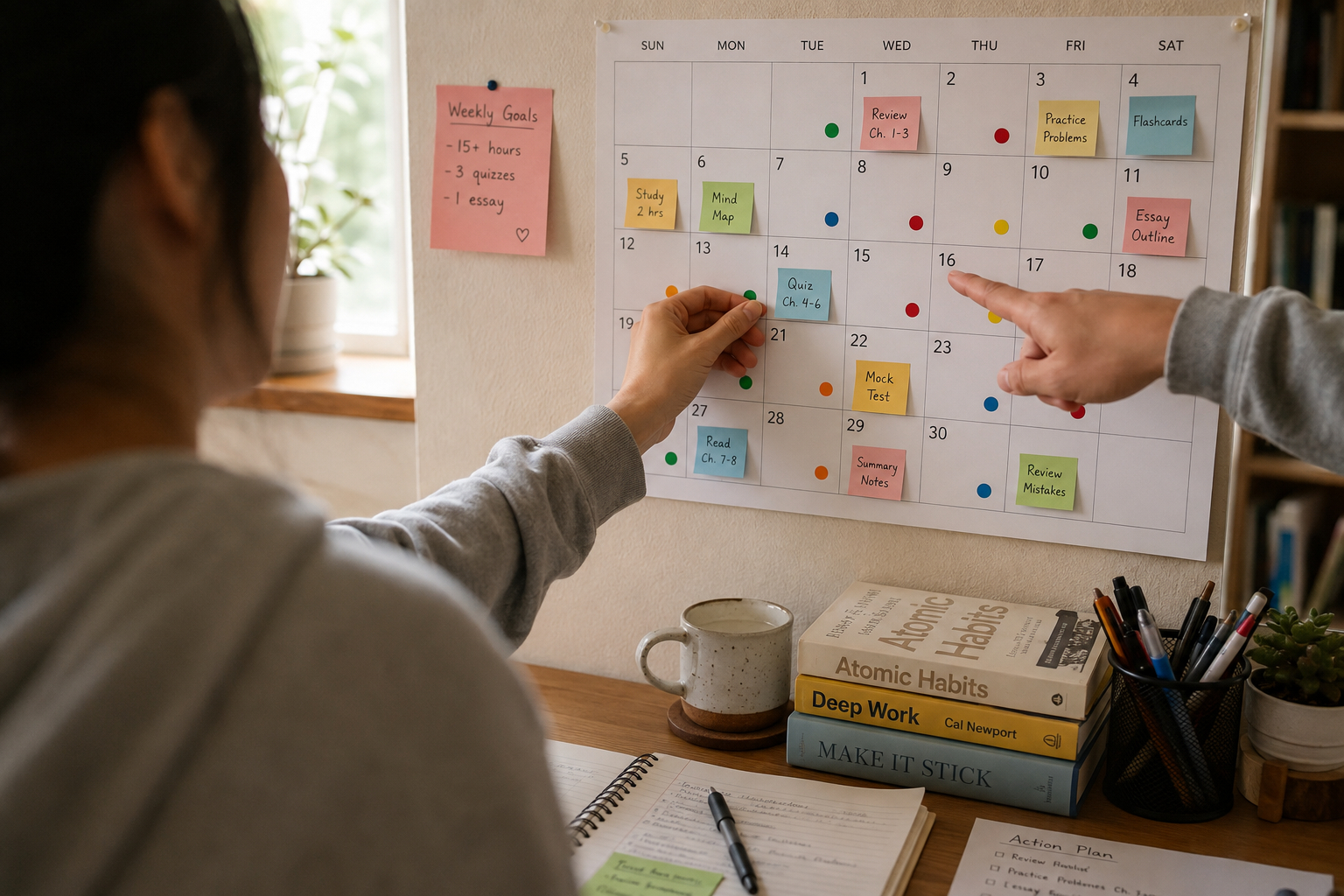
Adult learners juggling work and life need learning structures that make steady progress feel achievable. Clear, small milestones reduce friction, boost confidence, and create predictable study rhythms. When courses embed repeatable habits, learners are more likely to return and sustain momentum over weeks and months. This article outlines practical patterns to turn milestones into reliable study habits for self-paced programs.
Why milestone habits matter
Milestones act as psychological waypoints that frame effort as progress rather than an open-ended obligation. They reduce decision fatigue by narrowing choices to a next step, which is critical for busy adults. By designing milestones that are short, meaningful, and trackable, course creators can convert vague intentions into concrete actions. Over time, repeated achievement of small goals also builds competence and intrinsic motivation.
Well-chosen milestones align with learners’ schedules and attention spans, making the learning experience feel less disruptive. They should be neither trivial nor overwhelming—just the right size to be doable in a single session. Consistency matters more than intensity for long-term retention and completion.
Design patterns that create habit loops
Start with predictable triggers: a weekly module release, a reminder email at a set time, or a course dashboard that highlights the next tiny task. Pair that trigger with a simple, measurable action such as completing a short quiz, applying a micro-project, or posting a reflection. Finally, provide timely feedback and a visible progress cue so learners get immediate reinforcement. This cue-action-reward loop helps transform sporadic study into a repeatable habit.
Make milestones visible in multiple places—syllabus, dashboard, and mobile notifications—to strengthen cues. Reinforcement can be social (peer recognition) or informational (quick analytics showing improvement).
Practical steps to implement milestone habits
Break larger competencies into 10–20 minute micro-tasks that map clearly to a meaningful outcome. Sequence those tasks into short chains that form a weekly rhythm, so learners know what to do and when. Use low-stakes checks and instant feedback to validate effort and guide next steps. Keep navigation minimal and labels explicit so learners spend time learning, not searching.
- Create a simple progress bar that fills at predictable intervals.
- Offer optional micro-reflections that take two minutes after each task.
- Schedule a modest checkpoint every two weeks to consolidate learning.
Start small and iterate based on engagement data; adjustments to timing or task size can significantly improve adherence. The goal is to reduce cognitive load and make forward motion feel natural.
Conclusion
Designing clear milestone habits converts intention into reliable study behavior for adult learners. Small, visible steps paired with timely feedback create momentum that scales across a course. Implementing these patterns improves completion and sustains long-term learning.