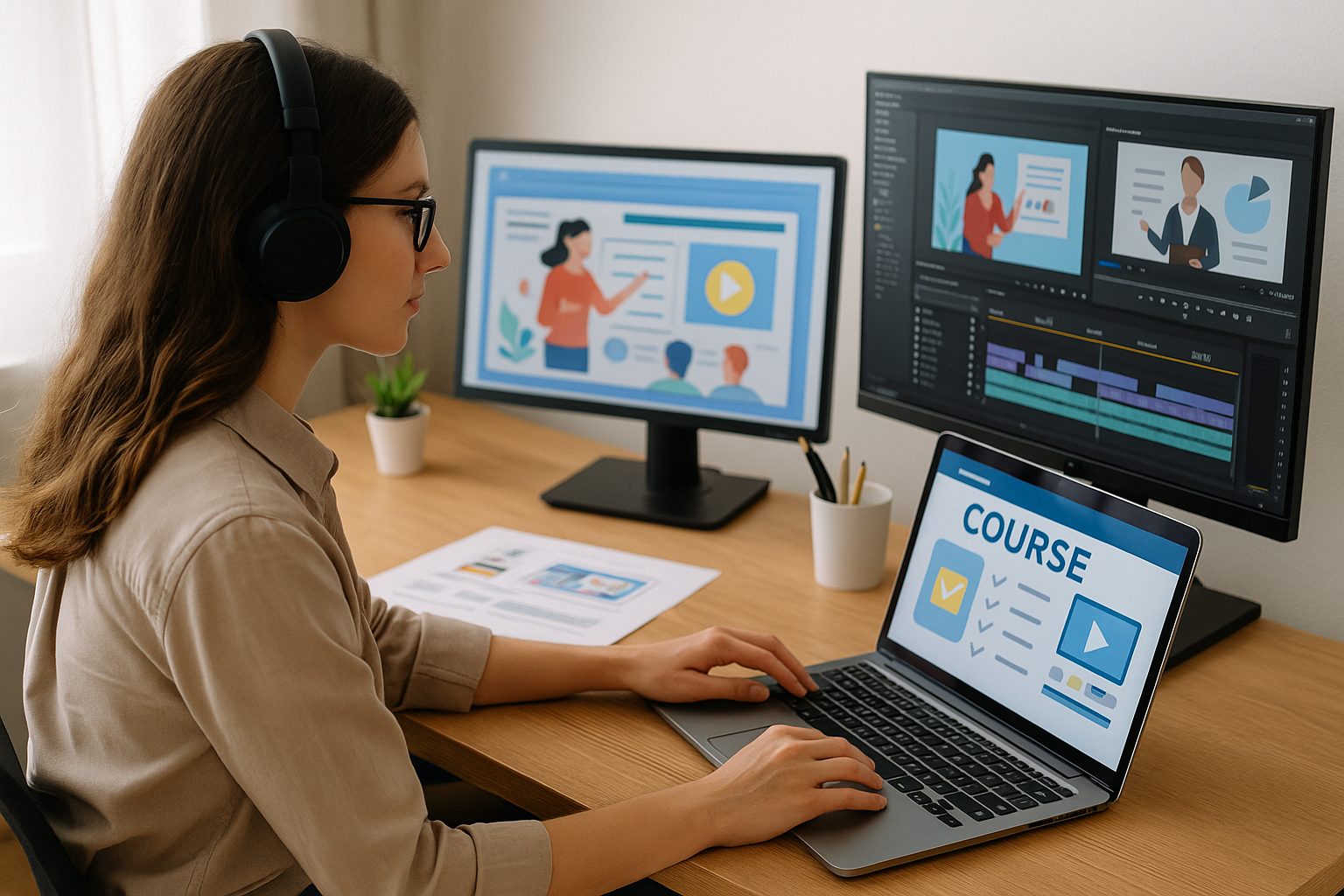
In the digital classroom, engagement is everything. No matter how informative a course may be, learners won’t absorb much if the design fails to capture their attention. That’s where multimedia learning design comes in — using visuals, audio, video, and interactivity to make online learning more dynamic and effective. Done right, multimedia transforms e-learning from a static presentation into an immersive experience that enhances both understanding and retention.
Why Multimedia Matters in E-Learning
The human brain processes visual and auditory information differently — and when these elements are combined, learning becomes more powerful. Studies show that people retain up to 65% more information when visuals and audio are used together, compared to text alone.
Multimedia creates a multi-sensory learning experience, which helps explain complex topics, appeal to diverse learning styles, and keep learners engaged for longer periods. It also provides flexibility — allowing students to learn at their own pace and revisit materials as needed.
The Core Elements of Engaging Multimedia
Visuals and Graphics
Effective visuals simplify learning. Use infographics, diagrams, and animations to clarify difficult concepts rather than overwhelm learners with text-heavy slides. Color psychology, consistent icons, and clear design hierarchies also help guide attention.Audio and Narration
A warm, conversational voiceover makes content more relatable and human. Avoid robotic tones or excessive background music — both can distract learners. Narration should complement visuals, not repeat them word-for-word.Video Learning
Short, focused videos remain one of the most engaging e-learning tools. Microlearning clips under five minutes are particularly effective for reinforcing single concepts. Combine talking heads, screencasts, and animations to create variety and maintain interest.Interactivity
Engagement thrives on participation. Include quizzes, drag-and-drop exercises, branching scenarios, and simulations that allow learners to apply what they’ve learned. This interactivity not only reinforces understanding but also boosts motivation through instant feedback.Gamification Elements
Adding points, badges, and progress tracking can turn learning into a rewarding experience. When designed thoughtfully, gamification increases completion rates and encourages continuous learning.
Accessibility and Inclusivity
Truly great e-learning design considers all learners. Include closed captions, transcripts, alt text for images, and color-contrast compliance to make your courses accessible. Inclusive multimedia ensures everyone — regardless of ability — can engage fully with the content.
The Balance Between Engagement and Overload
While multimedia enhances learning, too much can be counterproductive. Avoid cluttered layouts or unnecessary animations. The goal is clarity and flow — not distraction. Keep design elements purposeful and aligned with learning objectives.
Conclusion
E-learning thrives when content, design, and technology work together. Multimedia isn’t just about making lessons look appealing — it’s about making them meaningful, memorable, and accessible. By blending visuals, sound, and interactivity thoughtfully, educators can create learning experiences that truly engage and empower students in the digital age.