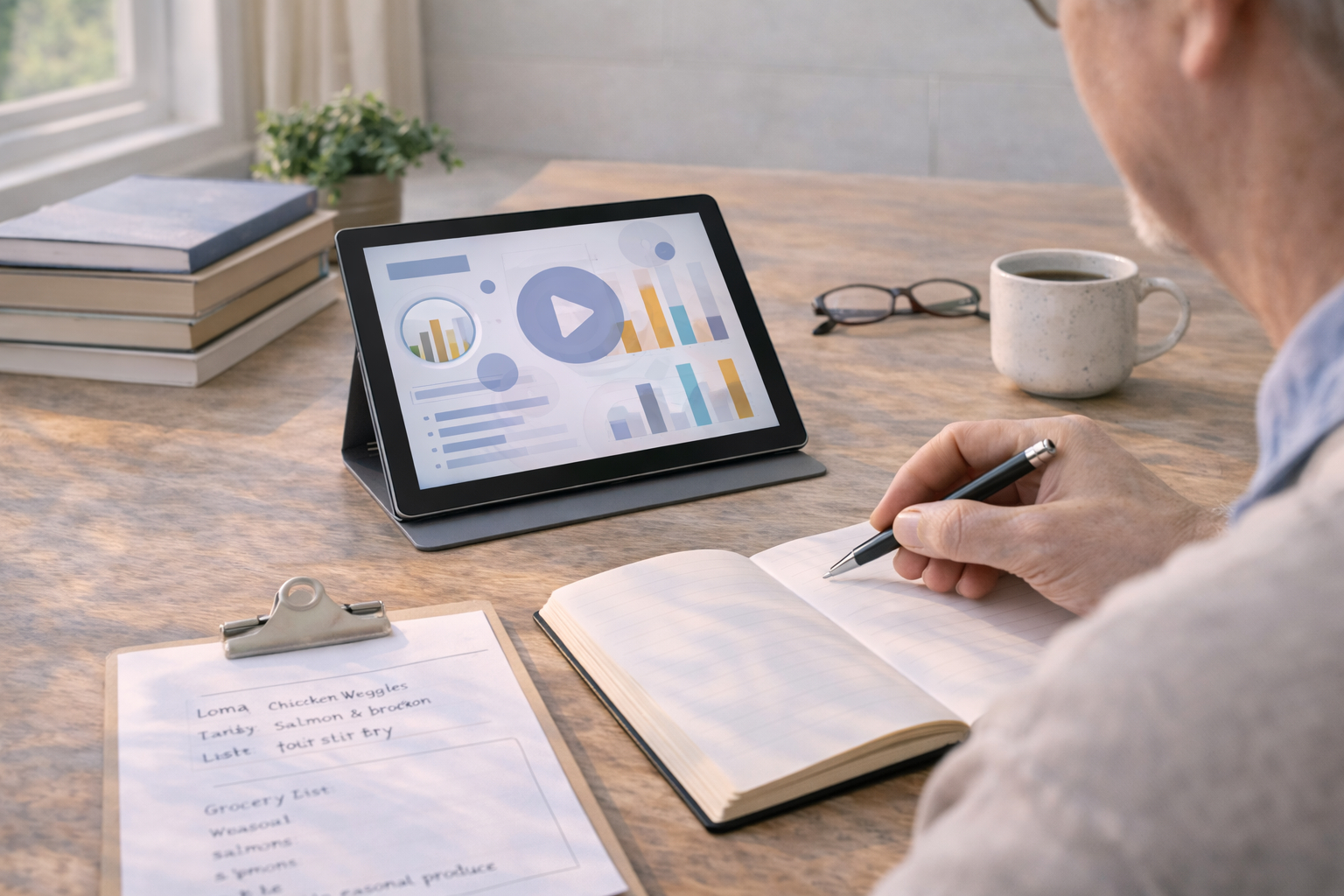
Learning is no longer confined to classrooms or early stages of life. As careers evolve and industries change rapidly, the need for continuous skill development has become a constant. Online education is playing a central role in this shift by making learning accessible, flexible, and relevant at every stage of life. These changes are redefining how individuals engage with education over the long term.
Learning Beyond Traditional Timelines
Online education removes age and career-stage barriers to learning. Professionals can upskill mid-career, explore new fields, or refresh knowledge without stepping away from work or personal responsibilities. This flexibility encourages learning to happen continuously rather than in fixed phases. Education becomes an ongoing process instead of a one-time milestone.
Flexibility That Fits Real Life
One of the strongest drivers of lifelong learning is convenience. Online courses allow learners to study at their own pace and on their own schedule. This adaptability makes it easier to balance learning with work, family, and other commitments. When education fits into daily life, participation becomes sustainable.
Skill-Focused and Practical Learning
Online education often emphasizes practical, job-relevant skills. Short courses, certificates, and modular programs allow learners to target specific competencies. This focused approach supports continuous improvement without requiring long-term enrollment. Learners can respond quickly to new demands and opportunities.
Personalization and Self-Directed Growth
Digital learning platforms increasingly adapt to individual goals and progress. Learners choose what, when, and how they study, creating personalized learning paths. This autonomy builds motivation and ownership. Self-directed learning supports deeper engagement and long-term consistency.
Lower Barriers to Access
Online education reduces many traditional barriers, including location, cost, and scheduling constraints. Affordable pricing models and remote access open learning opportunities to wider audiences. This inclusivity expands participation across different backgrounds and life stages. Broader access fuels the growth of lifelong learning culture.
Continuous Learning in a Changing Economy
As technology and work models evolve, skills can become outdated quickly. Online education enables fast reskilling and adaptation. Lifelong learners remain competitive by updating knowledge as industries shift. Continuous learning becomes a strategy for career resilience and personal growth.
Building Learning Communities Beyond Campuses
Online platforms also foster communities through discussion forums, peer collaboration, and shared projects. These networks support accountability and idea exchange beyond traditional classrooms. Learning becomes social and ongoing rather than isolated. Community engagement reinforces long-term participation.
Conclusion
Online education is driving lifelong learning trends by making education flexible, accessible, and relevant throughout life. By supporting continuous skill development and personal growth, it transforms learning into a permanent habit. Lifelong learning thrives when education adapts to learners—not the other way around.