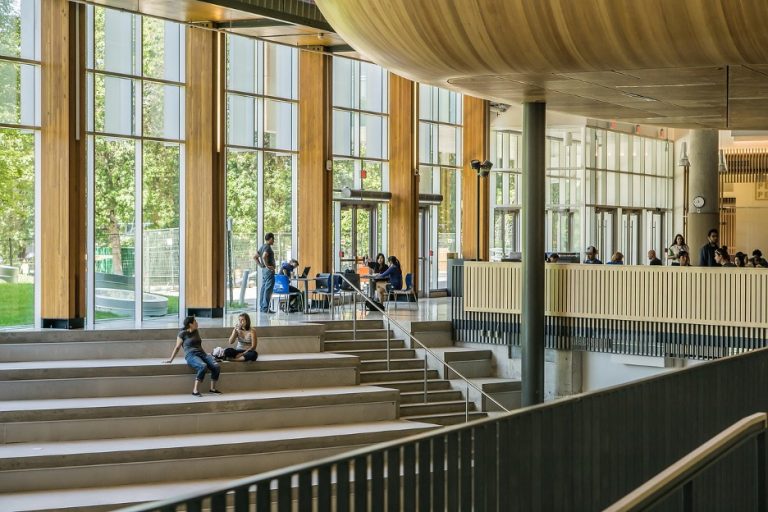
I have been an adjunct instructor for twenty-five years. On August 1, 2000, I started teaching basic public speaking for the University of Louisville’s Department of Communication. In the 25 years, I have taught at seven different universities and on a wide range of topics from communication technology to public administration. I’ve seen many changes in college teaching. Here are five of the most significant changes.
1. The Rise of Online and Hybrid Learning
Twenty-five years ago, online learning was in its early stages and often regarded as experimental. Today, it has become an integral component of higher education with hybrid and fully online courses now prevalent—even within disciplines such as public administration that have traditionally relied heavily on discussion-based instruction.
Adjunct adaptation strategies:
Integrate synchronous and asynchronous methods: Consider combining live Zoom sessions for policy debates with asynchronous discussion boards that allow students to thoughtfully engage with case studies.
Incorporate multimedia thoughtfully: Enhance course content by including short video explainers, podcasts or recorded interviews with practitioners to enrich learning and connect theoretical concepts to practical applications.
Leverage adjunct expertise: Many adjunct faculty are active professionals in public service and can contribute valuable current case examples to online discussions.
2. Shift from Lecture-Centric to Active Learning
The “sage on the stage” method has shifted to a “guide on the side” approach where students actively participate and apply knowledge.
Adjunct adaptation strategies:
Flipped classrooms: Assign readings or lectures ahead of class; use classroom time for simulations.
Peer teaching: Let students present on public administration concepts, encouraging engagement.
Adjunct advantage: Adjuncts can leverage their work experience to create real-world problem-solving activities relevant to public sector leadership.