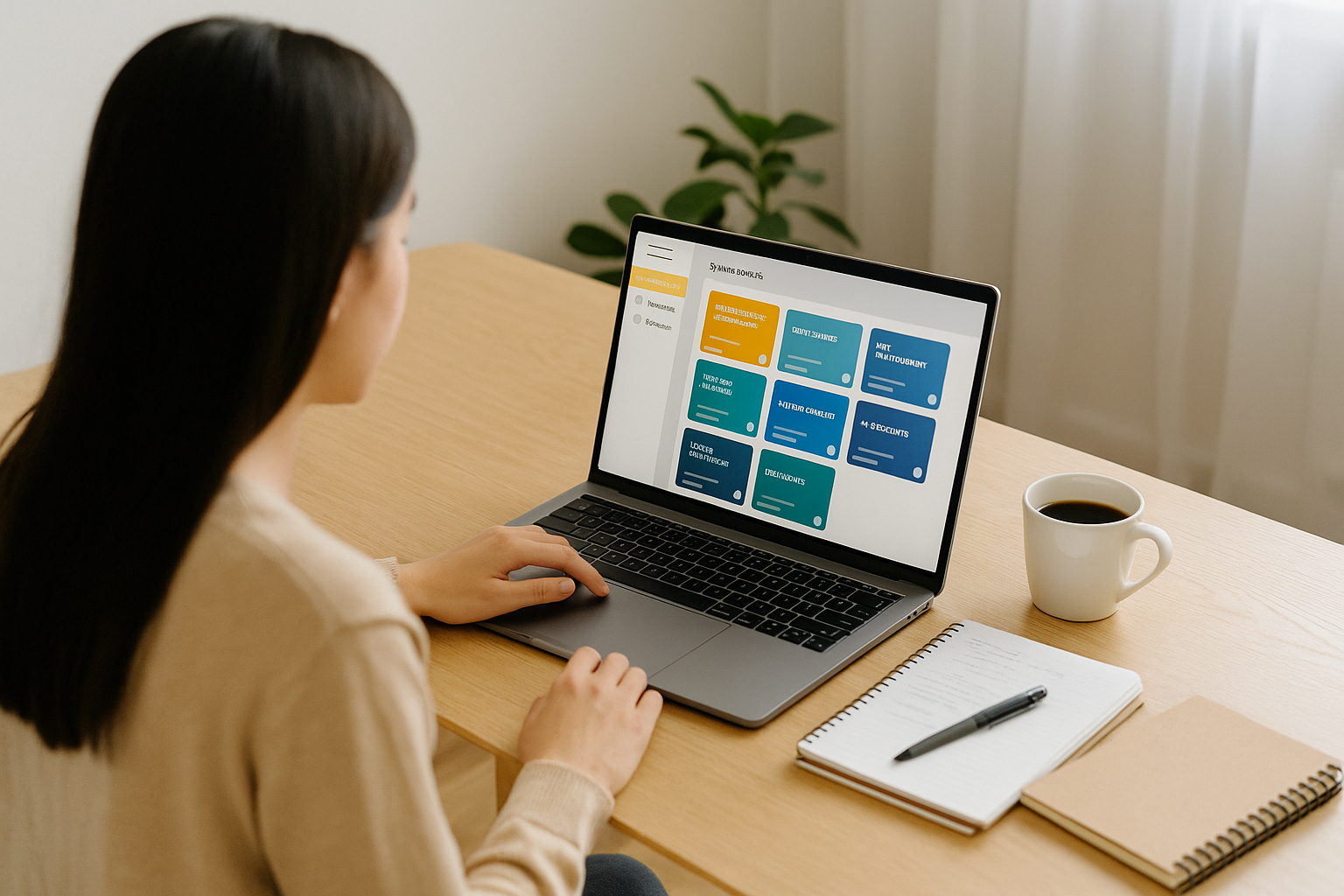
Education today is no longer defined by rigid curriculums or one-size-fits-all degrees. The rise of modular online degrees has transformed higher learning into a flexible, personalized experience. These programs allow learners to build their own academic paths by choosing modules that align with their interests, career goals, and learning pace. As the workforce evolves, modular education offers an innovative way to upskill, reskill, and stay relevant in an ever-changing world.
What Are Modular Online Degrees?
Unlike traditional degree programs, where students follow a fixed sequence of courses, modular degrees are made up of independent learning units or “modules.” Each module covers a specific subject or skill and can be completed at a learner’s convenience. Over time, these modules can be combined to earn certifications, diplomas, or even a full degree.
For example, a student studying business might combine modules in marketing analytics, financial management, and leadership — tailoring the program to fit a career in digital marketing or entrepreneurship.
The Power of Customization
Modular learning gives students control over what, when, and how they learn. It allows for:
Personalized pathways: Choose subjects that directly support career ambitions.
Flexible pacing: Learn part-time or full-time, depending on personal commitments.
Stackable credentials: Earn micro-credentials or certificates along the way that hold independent value.
Cross-disciplinary learning: Blend skills from different domains — like combining data science with healthcare or design with management.
This flexibility makes modular degrees especially appealing for working professionals, career changers, and lifelong learners.
Technology as the Enabler
Digital platforms have made modular education accessible to anyone with an internet connection. Universities partner with platforms to deliver accredited modules online. AI-driven recommendation systems also suggest courses based on a learner’s performance and goals, ensuring a personalized experience.
The Career Advantage
Employers increasingly value skills over traditional credentials. Modular degrees enable professionals to upskill in real time — learning what’s relevant today rather than relying on outdated curricula. This approach encourages a mindset of continuous learning, which is vital in industries disrupted by technology and automation.
Challenges to Consider
While modular learning offers freedom, it also requires discipline and direction. Without a fixed curriculum, some learners may struggle to choose the right modules or maintain motivation. Institutions must ensure consistent quality, academic guidance, and clear pathways toward recognized qualifications.
Conclusion
Modular online degrees represent the future of education — flexible, customizable, and career-focused. They empower learners to design their own academic journeys, gaining practical skills tailored to their ambitions. In a world where learning never stops, modular degrees provide the freedom to evolve, one module at a time.