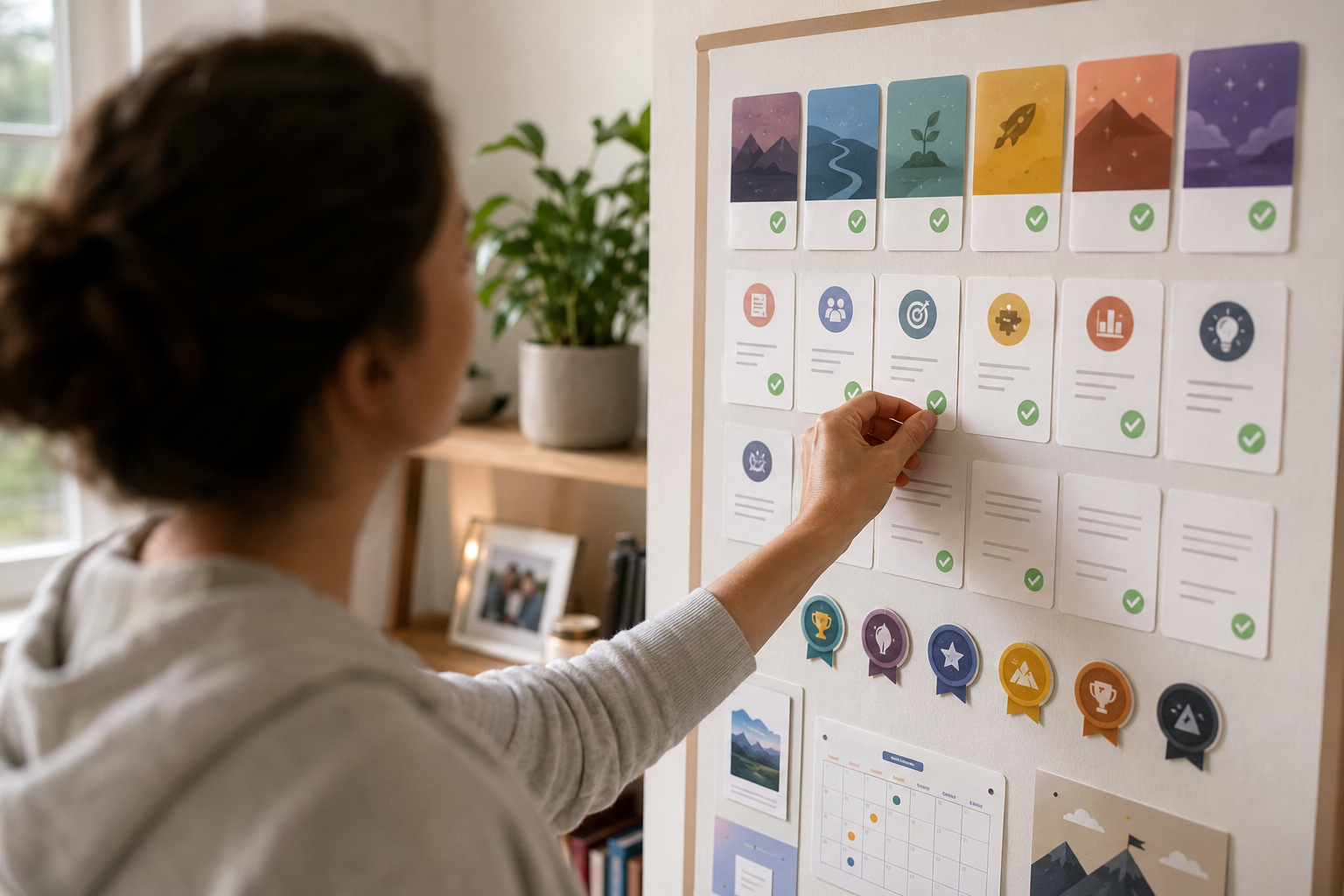
Visible progress markers help adult students stay motivated and make intentional decisions about their time. When learners can see small, frequent wins, they are more likely to return and complete meaningful tasks. Thoughtful signals reduce overwhelm by breaking a course into recognizable steps and clarifying what success looks like at each point. This article outlines practical markers you can add to digital courses to support steady advancement.
Why Visible Progress Matters
Adults juggle competing priorities, so course design must communicate progress quickly and reliably. Clear markers convert abstract learning goals into actionable checkpoints, making effort feel worthwhile and measurable. They also support self-regulation by giving learners immediate feedback on where they stand and what to do next. In addition, visible markers reduce decision fatigue by narrowing choices and highlighting the most relevant next steps.
These signals work for learners across skill levels and formats, from micro-lessons to multi-week programs. When progress is transparent, engagement and retention both tend to improve because learners experience consistent momentum. Implementing markers thoughtfully builds trust and lowers the friction that causes drop-off.
Practical Markers You Can Implement
Start with simple, low-cost indicators that reinforce completion and mastery without adding high-stakes pressure. Examples include percentage bars, module checkboxes, short mastery badges for micro-skills, and action-oriented to-do lists that update automatically. Low-stakes quizzes and quick reflections act as both learning checks and progress confirmations, while short project milestones show applied competence.
- Completion checkboxes per lesson
- Skill badges for concrete outcomes
- Weekly mini-assessments with instant feedback
Mixing visual cues with brief, constructive feedback helps learners understand not only that they made progress but why it matters. Choose markers that align with course goals and the time constraints of your audience.
Integrating Markers into Course Design
Place progress markers at natural transition points so they feel relevant rather than intrusive. Pair a visual indicator with a short, actionable micro-task and a suggested next step to guide momentum. Track and iterate on which markers correlate with continued engagement using basic analytics, and adjust placement or language to improve clarity.
Consider accessibility and mobile presentation when designing markers so all learners can use them easily. Consistency in appearance and terminology across modules reduces confusion and reinforces the habit of checking progress. Finally, scaffold markers from quick wins early to more meaningful achievements later to sustain motivation across the learning journey.
Conclusion
Progress markers are practical design tools that translate course intent into manageable action and steady momentum. By combining visual cues, micro-tasks, and brief feedback, designers can make learning pathways clearer and more rewarding. Thoughtful implementation increases the chance learners will persist and achieve their goals.