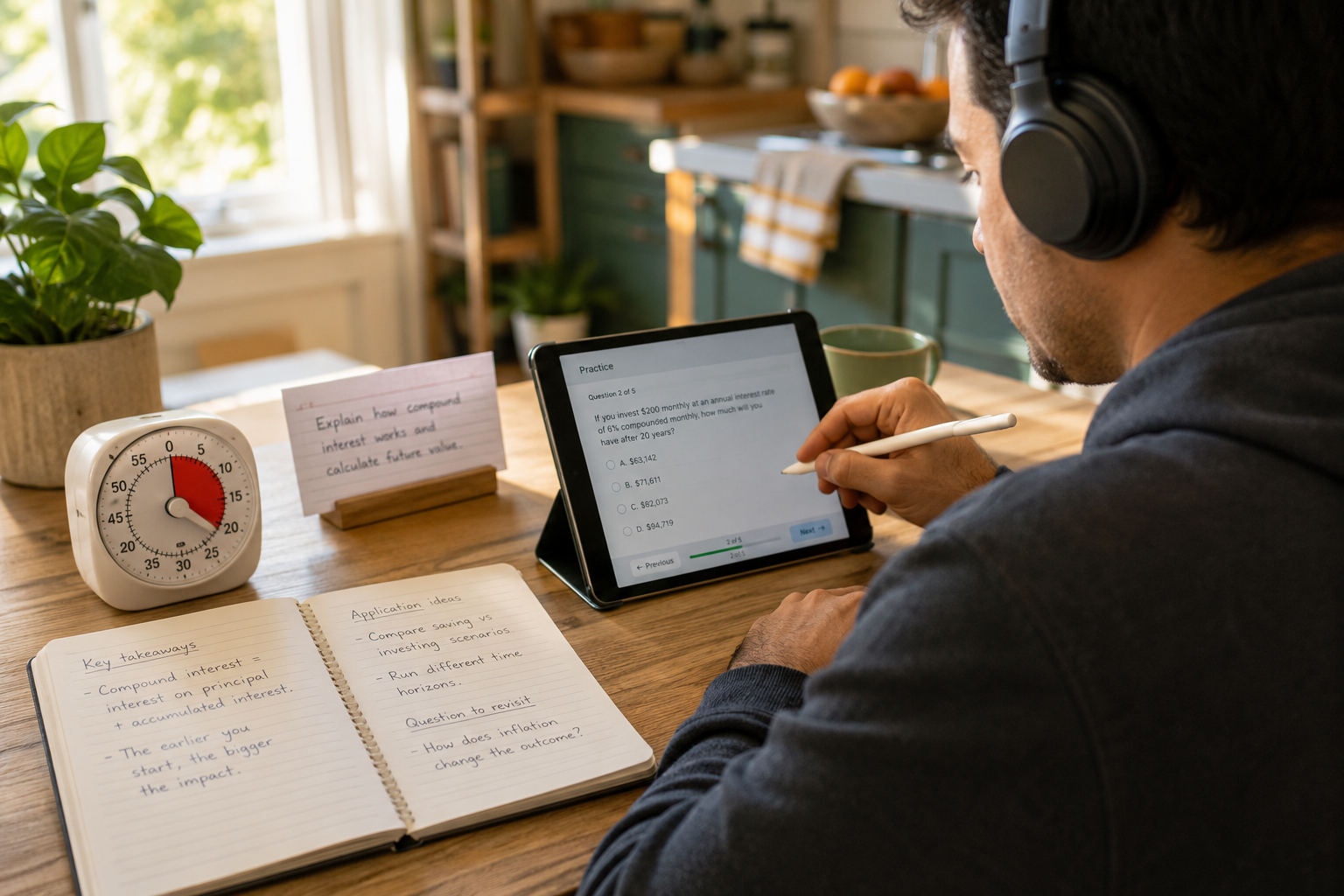
Effective online learning breaks a course into focused episodes that fit busy adult schedules. Each episode targets a clear outcome, keeps cognitive load low, and invites immediate practice. When episodes are intentional, learners gain momentum and can measure small wins regularly. This article outlines practical design moves to structure these micro-episodes for sustained progress.
Principles of episode design
Start by defining a single, actionable objective for each episode that can be completed in a short time block. Keep resources limited to essentials so learners focus on the skill or concept at hand. Sequence episodes to build on prior practice rather than introducing multiple new skills at once. Embed a low-stakes check or quick application to confirm understanding.
These principles reduce overwhelm and make progress visible. Clear objectives also enable better assessment and reflection.
Structuring micro-episodes
Micro-episodes typically last 10–30 minutes and combine concise input, an applied task, and a brief reflection. Design a predictable rhythm—introduce the goal, demonstrate, prompt practice, and offer a one-minute reflection. Templates and scaffolds help learners move quickly from theory to doing without decision fatigue.
Consistency in structure helps learners develop reliable study habits. Over time, those habits compound into measurable skill growth.
Scaffolding and feedback
Scaffolds guide learners through increasing complexity by adjusting supports across episodes. Include targeted feedback loops: automated checks, peer comments, and instructor summaries that focus on improvement. Feedback should be actionable and tied to the episode objective so learners can apply it immediately. Pair feedback with short revision opportunities to reinforce learning and demonstrate progress.
Balanced scaffolding ensures challenge without frustration. It also signals a clear path from novice to confident performer.
Assessment and momentum tracking
Track episode-level outcomes with short formative checks that map directly to the stated objective. Use simple metrics like completion rate, time on task, and a performance snapshot to spot friction points. Visual progress indicators—badges, progress bars, or checklists—create a sense of forward movement and clarify next steps. Collect qualitative signals through short reflections or peer notes to capture transfer and confidence gains. Analyze patterns across episodes to refine sequencing and to tailor supports where learners stall.
Regularly reviewing these signals helps instructors make small course adjustments that have outsized effects. When learners see evidence of growth, motivation and persistence increase.
Practical tips for implementation
Start small by converting one module into episode-based lessons and pilot with a learner group. Provide clear time estimates and role expectations so adults can plan study into busy calendars. Automate reminders and provide a reflective prompt template to lower friction. Iterate based on learner feedback and analytics, keeping changes incremental to preserve predictability.
Over time, scale episode design across a course while maintaining consistent structure and assessment. Document the approach so new instructors can replicate effective episodes and sustain learning momentum.
Conclusion
Intentional micro-episodes make online learning manageable, focused, and measurable. Design them with clear objectives, predictable structure, and timely feedback to support adult learners. Small, consistent wins are the engine of sustained progress in digital courses.