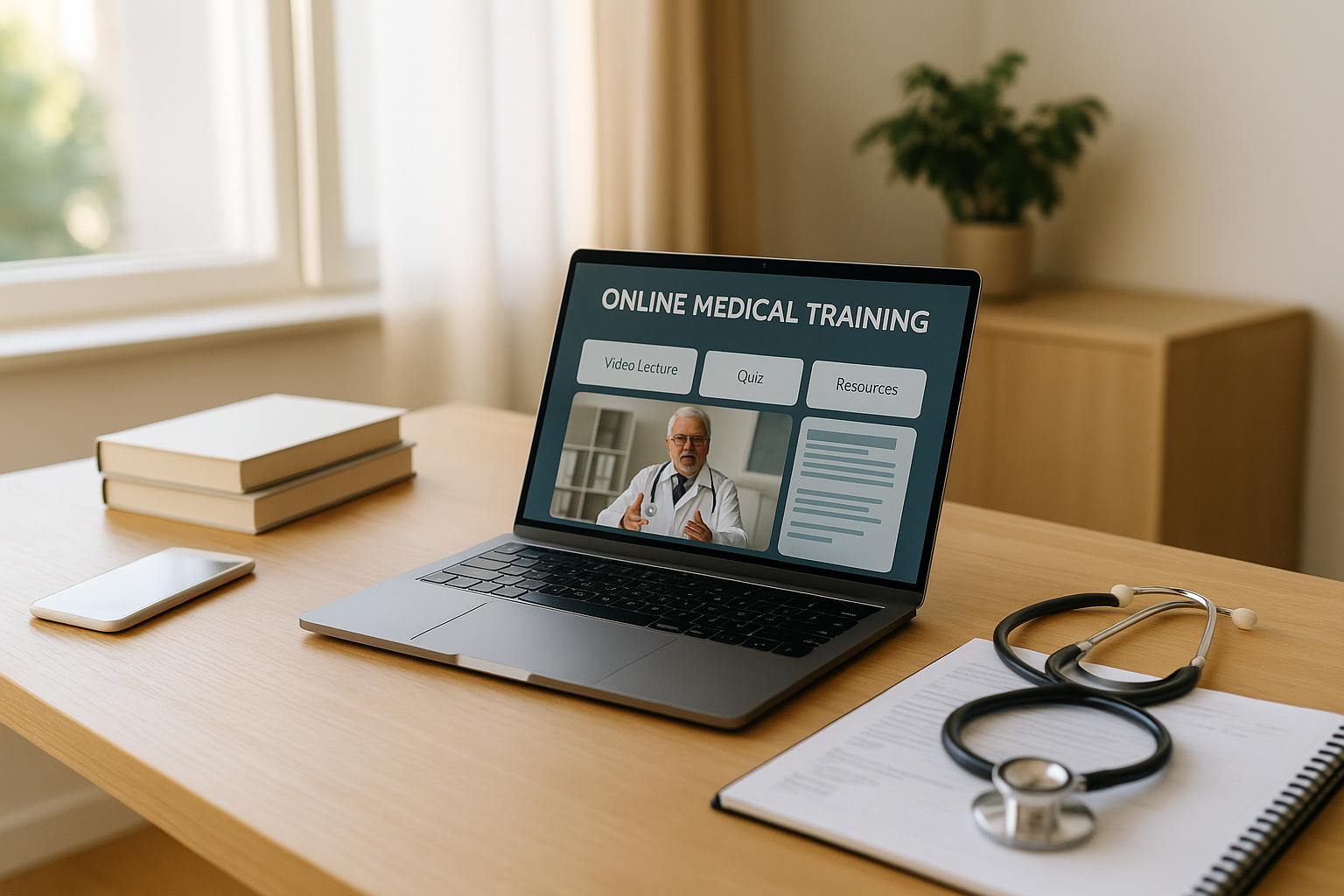
Healthcare is evolving faster than ever, and professionals in the field must continuously update their knowledge and skills to keep pace. Online education has become one of the most effective tools for meeting these growing demands. With its flexibility, accessibility, and advanced digital tools, online learning is reshaping how healthcare workers train, specialize, and maintain certifications. As technology progresses, its role in professional healthcare education will only become more powerful and essential.
Greater Flexibility for a Demanding Workforce
Healthcare professionals often juggle long shifts, unpredictable schedules, and high-pressure environments. Online education gives them the freedom to learn at their own pace and at times that fit their demanding routines. Whether completing continuing education requirements or pursuing advanced specialties, learners gain the ability to study without compromising patient care or personal time. This flexibility supports lifelong learning, which is crucial in a rapidly changing healthcare environment.
Advanced Simulations and Virtual Training
Modern online platforms increasingly incorporate virtual simulations, 3D models, and interactive case studies. These tools allow healthcare workers to practice procedures, diagnose conditions, and experience realistic clinical scenarios—all within a digital environment. Such innovations improve decision-making, build confidence, and offer safe hands-on experience without the risks of real-life patient interactions. As simulation technologies continue to advance, they will play a major role in training future healthcare professionals.
Personalized Learning Paths for Specialized Roles
Healthcare roles vary widely, from nursing and therapy to diagnostics and emergency medicine. Online education platforms use AI-powered recommendations to guide learners toward courses aligned with their goals and current skill levels. Personalized pathways help professionals deepen expertise in specific fields, whether they aim to become nurse practitioners, medical coders, or specialists in telemedicine. Tailored learning boosts career growth and makes continuing education more efficient and meaningful.
Expanding Access to Global Expertise
Online education breaks geographic barriers, giving healthcare workers access to world-class instructors, international medical research, and global best practices. Professionals in remote areas can access the same quality of education as those in major medical centers. This democratization of knowledge strengthens healthcare systems by ensuring more practitioners receive up-to-date training, no matter where they live or work.
Conclusion
Online education is shaping the future of healthcare learning through flexibility, advanced technology, and personalized pathways. By providing easier access to expert knowledge and realistic training tools, it empowers healthcare professionals to grow continually and deliver better patient outcomes. As digital learning evolves, it will remain essential to developing a skilled, modern healthcare workforce.