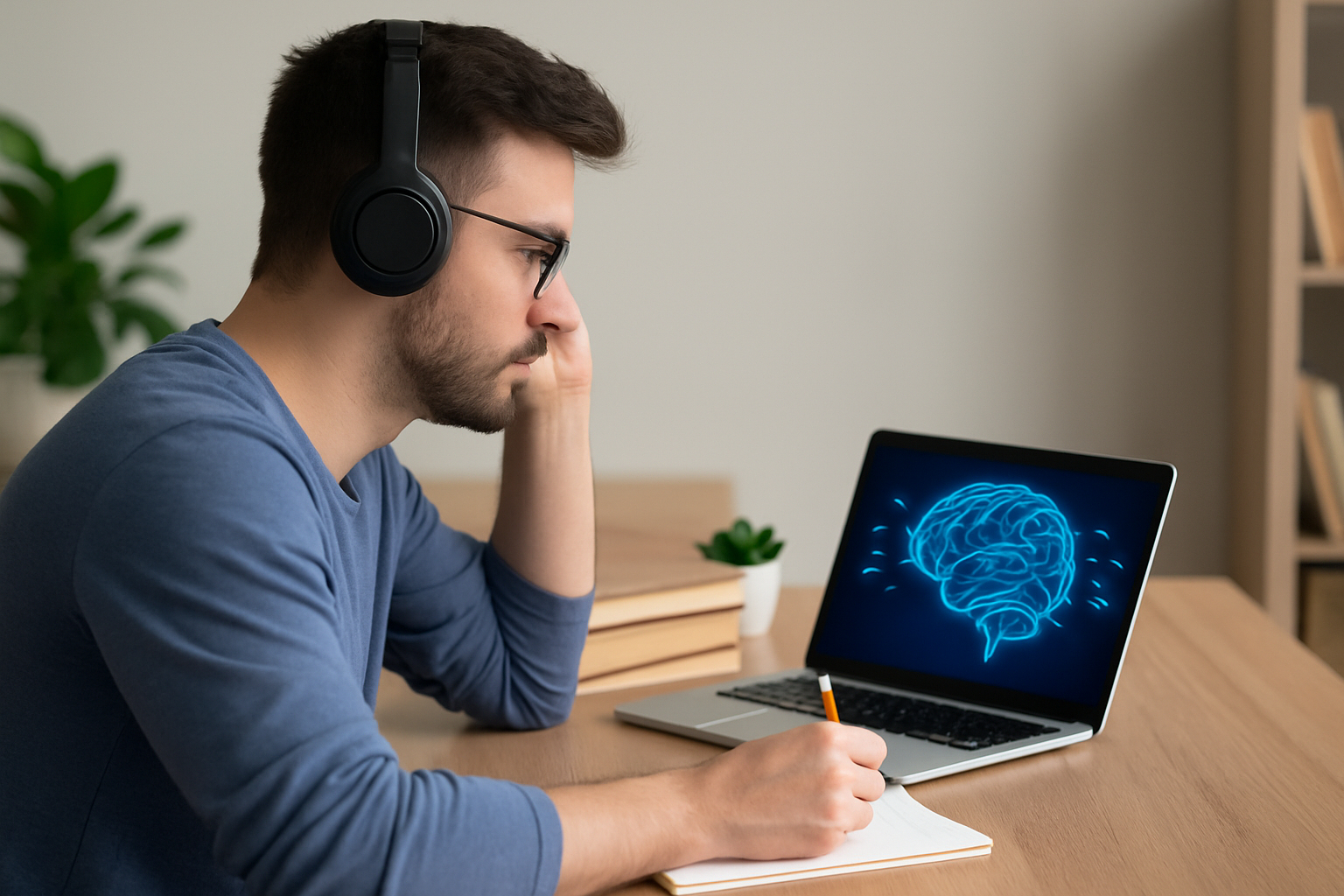
Online learning has transformed the way we gain knowledge. From flexible schedules to global access, it offers opportunities that traditional classrooms can’t always match. But beyond convenience lies an interesting question: how does the brain adapt to online learning? Understanding the psychology behind it can help students learn more effectively.
1. The Shift from Passive to Active Learning
Traditional classrooms often rely on lectures, where students passively receive information. Online platforms, however, are interactive—quizzes, forums, and videos demand participation. This active engagement stimulates the brain’s reward centers, making learning more memorable.
2. Attention and Focus in a Digital Environment
The online world is full of distractions—social media, notifications, and multitasking. The brain adapts by learning to filter information. Over time, students develop stronger self-regulation skills, as success in online learning requires focus and discipline.
3. Memory and Retention
Studies show that spaced repetition—reviewing material at intervals—is highly effective in online learning. Digital tools like flashcards or reminders reinforce memory. The brain stores information more efficiently when concepts are revisited regularly.
4. Motivation and Rewards
Gamification elements like badges, points, or progress trackers tap into the brain’s dopamine system, boosting motivation. These small rewards create a sense of accomplishment, encouraging students to stay engaged.
5. Social Connection in a Virtual Space
While online learning can feel isolating, discussion boards, group projects, and video calls create a sense of community. The brain thrives on social interaction, and these tools help mimic real-world connections, improving collaboration and emotional engagement.
6. Neuroplasticity and Adaptability
The brain’s ability to rewire itself—neuroplasticity—means it can adapt to new ways of learning. Online education fosters skills like digital literacy, multitasking, and self-paced study, which enhance cognitive flexibility.
Final Thoughts
Online learning isn’t just a technological shift—it’s a psychological one. By actively engaging the brain, enhancing focus, and leveraging motivation, it reshapes how we learn and adapt. For students, understanding these processes can make the journey smoother and more rewarding.