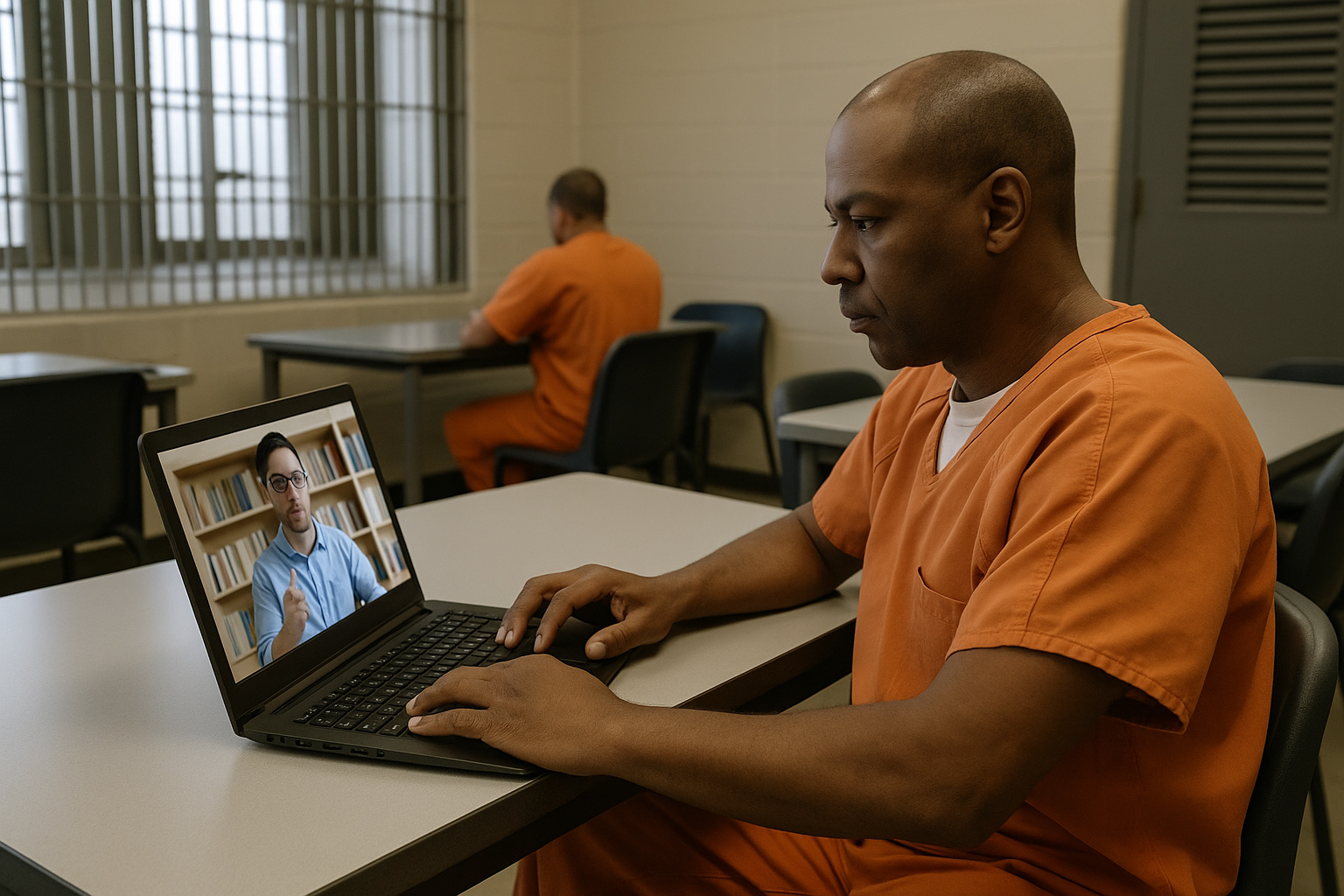
Education has long been recognized as a key factor in rehabilitation, giving incarcerated individuals the tools they need to rebuild their lives. With advancements in technology, online learning is emerging as a powerful way to bring education behind prison walls. By offering accessible, flexible, and personalized instruction, digital education programs are reshaping how prisons prepare inmates for successful reintegration into society.
Expanding Access to Quality Education
In the past, access to higher education in prisons was limited by geography, security concerns, and a lack of qualified instructors. Online learning platforms now break these barriers by bringing virtual classrooms directly into correctional facilities. Through secure networks and monitored systems, inmates can participate in accredited courses, earn certifications, and even pursue college degrees. This not only broadens educational access but also ensures that learning opportunities remain consistent regardless of a facility’s location or resources.
Encouraging Skill Development and Employability
Online courses offer inmates a chance to acquire practical and marketable skills that align with today’s job market. Subjects like digital literacy, vocational training, entrepreneurship, and communication prepare them for careers upon release. Many programs also focus on emotional intelligence, critical thinking, and problem-solving—skills essential for personal growth and sustainable reintegration. These opportunities help reduce recidivism by equipping learners with pathways toward stable employment and purpose.
Flexibility and Self-Paced Learning
Unlike traditional classroom setups, online education allows inmates to learn at their own pace. This flexibility accommodates different learning abilities and schedules within correctional environments. Learners can review materials multiple times, access multimedia resources, and complete assignments independently. For many, this autonomy builds confidence and fosters a sense of responsibility—two qualities that are vital to successful rehabilitation.
Overcoming Challenges and Security Concerns
Despite its benefits, implementing online learning in prisons comes with challenges. Security protocols must ensure safe internet use without compromising institutional control. Limited funding, infrastructure constraints, and digital literacy gaps can also hinder progress. However, partnerships between correctional departments, educational institutions, and nonprofit organizations are steadily addressing these barriers through secure software, offline course modules, and dedicated training for staff and students.
Conclusion
Online learning has the potential to transform prison education into a bridge of opportunity and hope. By empowering inmates with knowledge and skills, it helps them envision a future beyond incarceration. The integration of digital education in correctional systems is not merely about providing access—it’s about restoring dignity, encouraging growth, and giving every learner a second chance at success.