Online courses can pile up in your account without producing real skills unless you treat them like small projects. This piece outlines a practical approach to turning lessons into measurable progress you can point to on a résumé or a portfolio. The goal is not to finish every lecture but to finish meaningful exercises, projects, and demonstrations of competence. Read on for a compact framework you can apply in weekly cycles.
Set weekly, skill-focused goals
Choose one specific, observable outcome to aim for each week, such as completing a mini-project, publishing a code snippet, or scoring a practicum checklist. Keep the target narrow so progress is unambiguous: instead of “learn JavaScript,” aim for “build a searchable todo app with local storage.” Write the goal down and attach a tiny checklist of deliverables that show you met the goal. This converts vague intentions into action items and reduces procrastination.
- Define the deliverable (file, demo link, write-up).
- Estimate time in study blocks, not hours.
Having a tangible deliverable makes follow-through easier and gives you something concrete to review or share. It also helps prioritize which lessons to skip or skim.
Use short, active study blocks
Split study into 25–50 minute focused blocks that combine watching, doing, and immediate practice. During each block, alternate between consuming a short lesson and applying one piece of it in a practical way—code a function, sketch a diagram, or write a short explanation. Use retrieval practice at the start of a block to recall what you learned previously rather than rewatching old material. Keeping sessions active prevents the false sense of progress that comes from passive binge-watching.
- Technique example: read a lesson, then recreate its main result from memory.
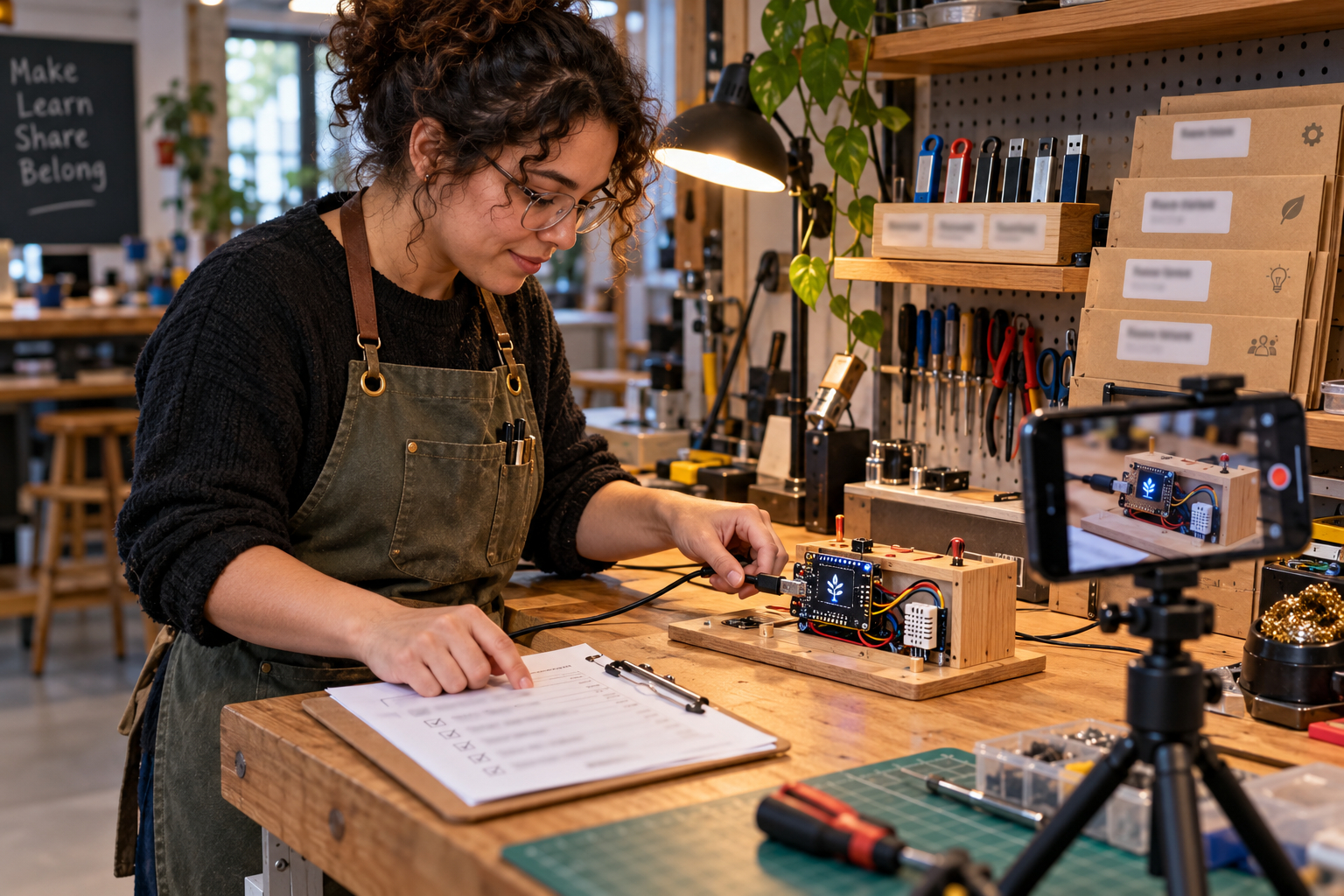
- Technique example: record a 60-second demo showing what you built.
Short, purposeful sessions are easier to schedule and stack into a weekly routine. Over time, they compound into repeatable behaviors that lead to deliverables.
Measure progress and build reliable cues
Track outcomes, not hours: completed projects, lines of code, solved problems, or peer feedback received. Keep a simple log that notes the goal, the deliverable, and whether it met your acceptance criteria. Pair study with consistent cues—same time, same location, or a preparatory ritual like brewing tea—to reduce friction and make the habit stick. Small rewards for completed milestones reinforce the behavior and sustain momentum.
- Metric ideas: deploy count, problem sets solved, demo videos made.
- Reward ideas: share your work, schedule a short break, or mark a visual progress bar.
Objective indicators let you compare what’s working and adjust your plan. They also give you concrete evidence when it’s time to update a résumé or portfolio.
Conclusion
Turn each course into a set of tiny, verifiable projects that build one after another. Use focused practice blocks and simple metrics to measure progress and keep motivation steady. With this approach, online learning produces skills you can show and use.