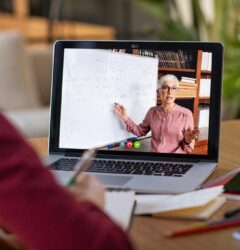
Online education has reshaped learning by removing geographic boundaries and connecting learners across continents. What once required physical campuses and travel now happens through shared digital spaces. As a result, online education is becoming a powerful driver of global collaboration, enabling people from different cultures, industries, and perspectives to learn and work together in ways that were previously difficult to scale.
Removing Geographic Barriers to Learning
One of the biggest strengths of online education is accessibility. Learners can participate in the same course regardless of location, time zone, or national borders. This creates classrooms that reflect global diversity rather than regional limitations. When students learn together across borders, collaboration becomes a natural outcome.
Encouraging Cross-Cultural Perspectives
Global classrooms expose learners to different ways of thinking, problem-solving, and communicating. Discussions and group work benefit from varied cultural and professional experiences. These interactions build cultural awareness and adaptability—skills that are increasingly valuable in modern workplaces. Learning becomes richer when ideas are shaped by global perspectives.
Collaborative Learning Through Digital Tools
Online education platforms are designed to support collaboration. Discussion forums, shared documents, virtual breakout rooms, and project-based learning tools make teamwork possible across distances. These tools allow learners to collaborate asynchronously or in real time. Digital collaboration mirrors how global teams operate in professional environments.
Preparing Learners for Global Work Environments
Many industries now operate across borders. Online education prepares learners for this reality by normalizing remote collaboration. Students gain experience working with diverse teammates, managing time differences, and communicating clearly in digital spaces. These skills translate directly to global careers.
Knowledge Sharing Across Regions and Industries
Online education allows expertise to flow freely across regions. Learners benefit from instructors, guest speakers, and peers with varied backgrounds. This exchange accelerates innovation and understanding. Global collaboration expands access to knowledge that might otherwise remain localized.
Building Global Learning Communities
Beyond individual courses, online education fosters long-term learning communities. Alumni networks, peer groups, and professional forums continue collaboration after courses end. These communities support lifelong learning and cross-border relationships. Education becomes an ongoing global conversation rather than a one-time event.
Supporting Inclusion and Equal Participation
Online learning reduces barriers related to travel costs and relocation. This inclusion allows more voices to participate in global conversations. When participation broadens, collaboration becomes more representative and balanced. Equal access strengthens collective learning outcomes.
Conclusion
Online education is driving global collaboration by connecting learners beyond borders and cultures. Through shared digital spaces, collaborative tools, and diverse perspectives, learning becomes a global experience. This interconnected approach prepares learners to thrive in an increasingly collaborative world.