

Research our Education information and advice.

Courses
Scholarships
Explore Top Programs

Find the right course for your goals—whether it’s online, part-time, or university-based.

Fund Your Education

Learn about scholarships, grants, and financial aid options to reduce your education expenses.

Learn more about Education!

Discover smart choices and resources to shape your learning and future.

Education

Explore learning paths that match your interests and goals. Education is the key to unlocking new opportunities.

Read More »

Educational Expenses

Education can be costly — but it doesn’t have to be overwhelming. Discover ways to manage and reduce your education-related expenses.

Read More »

Career

Get guidance on career planning, resume building, and industry insights to help you move forward confidently.

Read More »

Online Education

Flexible, affordable, and growing fast — online education offers endless possibilities. Find top platforms and tips to stay on track.

Read More »

Read our articles

Designing Bite-Sized Projects to Cement New Skills

Small, focused projects are one of the most effective ways to move new knowledge into usable skill. They force application, reveal gaps, and create natural checkpoints that sustain momentum. Unlike long courses or diffuse study plans, bite-sized projects make learning concrete and manageable. This article outlines practical steps to design short projects that accelerate retention and build confidence. Why small projects beat passive study Applying concepts to a task creates stronger memory traces than rereading


Read More →

How Teachers Can Prototype Learning Routines Quickly

Trying new classroom routines can feel risky, but prototyping makes change manageable. Small, testable routines let teachers see what works without upending instruction. Rapid cycles reveal practical benefits and unintended costs early. This approach supports gradual improvement and builds teacher confidence. Why prototype routines before full adoption Prototyping reduces uncertainty by isolating one variable at a time, so teachers can evaluate impact without large-scale disruption. It creates a controlled environment to collect quick feedback from

Read More →

Small Experiments to Accelerate Independent Learning Growth

Independent learning becomes manageable when approached as a series of intentional, short experiments. Rather than overhauling habits overnight, micro-experiments let learners test approaches, measure outcomes, and iterate quickly. This article outlines practical ways to design small trials that reveal what sticks and what needs adjustment. Use these steps to accelerate progress without overwhelming time or motivation. Start with micro-experiments Begin by framing one clear question you want to answer about your learning—for example, whether shorter

Read More →

How to Build Measured Career Momentum with Small Tests

Small, structured experiments are a practical way to move a career forward without committing to sweeping changes. They let you gather evidence about what works, who notices, and where you gain traction. When you design short tests that map to real role expectations, every result becomes usable data. This approach reduces risk while making progress intentional and measurable. Taking this route shifts the conversation from vague improvement to demonstrable outcomes. It also helps you prioritize

Read More →

Practical Roadmap for Building Transferable Career Skills

Transferable skills let you move between roles and industries with confidence. Identify the abilities that employers value regardless of job title and focus your development there. A clear roadmap helps you spend time on high-impact practice and visible evidence. This article outlines a practical sequence you can follow to build skills that travel. Assess Core Transferable Skills Start by auditing the skills you already use in daily work and those you want to strengthen. Look

Read More →

Focused Evidence-Based Strategies for Career Progression

Making steady, demonstrable progress in your career requires more than good intentions and scattered learning. The most reliable approach combines focused skill choices with short experiments that produce tangible evidence of ability. This article outlines practical methods to select priorities, test them with low-cost projects, and convert results into a compelling professional narrative. The goal is measurable momentum you can point to during performance reviews or role changes. Identify Core Strengths Begin by auditing your

Read More →

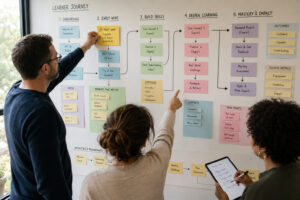
Mapping Learner Journeys: Building Cohesive Online Ecosystems

Creating a cohesive online learning ecosystem starts with an intentional map of how learners move through content, activities, and support. A well-mapped journey helps designers spot friction, highlight key milestones, and align experiences with real learner goals. This introduction outlines practical strategies to translate a learner-centered map into a functioning program that supports retention and skill transfer. The steps below are designed for teams building modular courses, professional development tracks, or continuing education programs. Clarify

Read More →

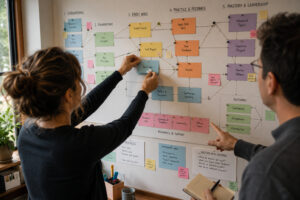
Crafting Clear Learning Maps to Guide Online Progress

Online learners succeed when courses provide a clear map from where they start to where they need to be. A learning map translates outcomes into approachable milestones, shows dependencies between skills, and highlights logical study sequences. When learners can see progression, they make informed choices about pacing and prioritize effort on meaningful tasks. This clarity reduces friction and improves sustained engagement across a program. Identify Core Learning Nodes Begin by breaking the curriculum into core

Read More →

From Onboarding to Mastery: Mapping Motivational Learning Flows

Successful online programs are those that guide learners from first login to sustained competence through intentional flow design. Clear motivational pathways help students recognize progress, stay engaged, and transfer skills to real tasks. Mapping these flows means aligning onboarding, early wins, feedback, and longer-term credentials in a coherent sequence. This article outlines practical steps to design learning journeys that maintain momentum and support mastery. Map the Learner Journey Around Early Wins Identify the moments when

Read More →
Skip to content