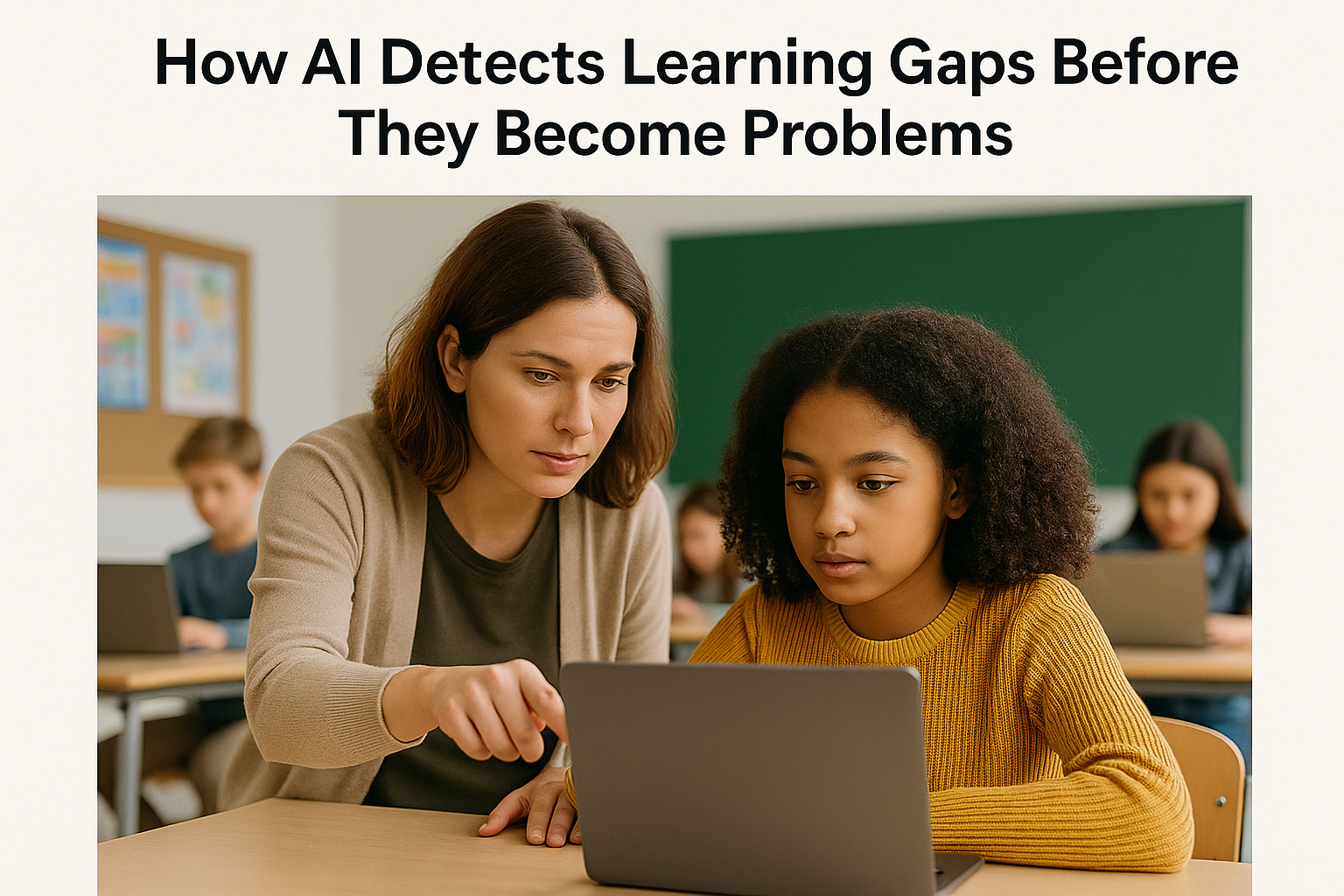
As classrooms and training environments continue to evolve, artificial intelligence is transforming how educators identify student needs long before those challenges turn into barriers. Learning gaps often develop quietly, and traditional assessments sometimes fail to catch them early. AI-powered tools are changing this dynamic by continuously analyzing student performance, engagement, and behavior. With real-time insights, both teachers and learners can act sooner, create personalized paths, and prevent minor misunderstandings from becoming persistent obstacles.
Understanding Patterns Through Data
AI systems excel at finding patterns in large amounts of information. By analyzing homework submissions, quiz results, participation levels, and even how long a student spends on a specific task, AI can detect inconsistencies that signal a developing gap. These tools identify when a student repeatedly struggles with certain concepts or takes longer than usual to grasp specific skills. Early recognition allows educators to adjust teaching strategies, ensuring each learner receives timely support.
Personalized Recommendations for Students
When AI detects a potential learning challenge, it doesn’t just highlight the issue—it also recommends targeted resources. Adaptive learning platforms can suggest practice exercises, instructional videos, or customized lessons tailored to the student’s unique needs. This level of personalization helps learners build confidence while closing knowledge gaps efficiently. By tailoring content to each individual, AI promotes deeper understanding and keeps learners engaged.
Enhancing Teacher Support
AI isn’t meant to replace teachers; it enhances what they do best. Educators gain access to dashboards that summarize class-wide trends and highlight which students may need extra attention. This saves valuable time that teachers would otherwise spend reviewing lengthy records or manually searching for performance issues. With these insights, instructors can focus on meaningful interventions, small-group instruction, and one-to-one guidance where it’s needed most.
Preventing Problems Before They Grow
A key advantage of AI is its ability to intervene early. Without technology, learning gaps often go unnoticed until midterm exams or long after a concept is introduced. AI tools, however, monitor progress continuously and flag concerns at the very first sign. This proactive approach prevents small misunderstandings from snowballing into larger academic struggles, supporting a healthier and more productive learning journey.
Conclusion
AI’s ability to detect learning gaps early is reshaping education by providing timely insights, personalized support, and enhanced teacher effectiveness. With smarter tools guiding the process, students can stay on track, teachers can intervene sooner, and learning becomes more adaptive and efficient. Early detection not only prevents problems but also empowers learners to succeed with confidence.