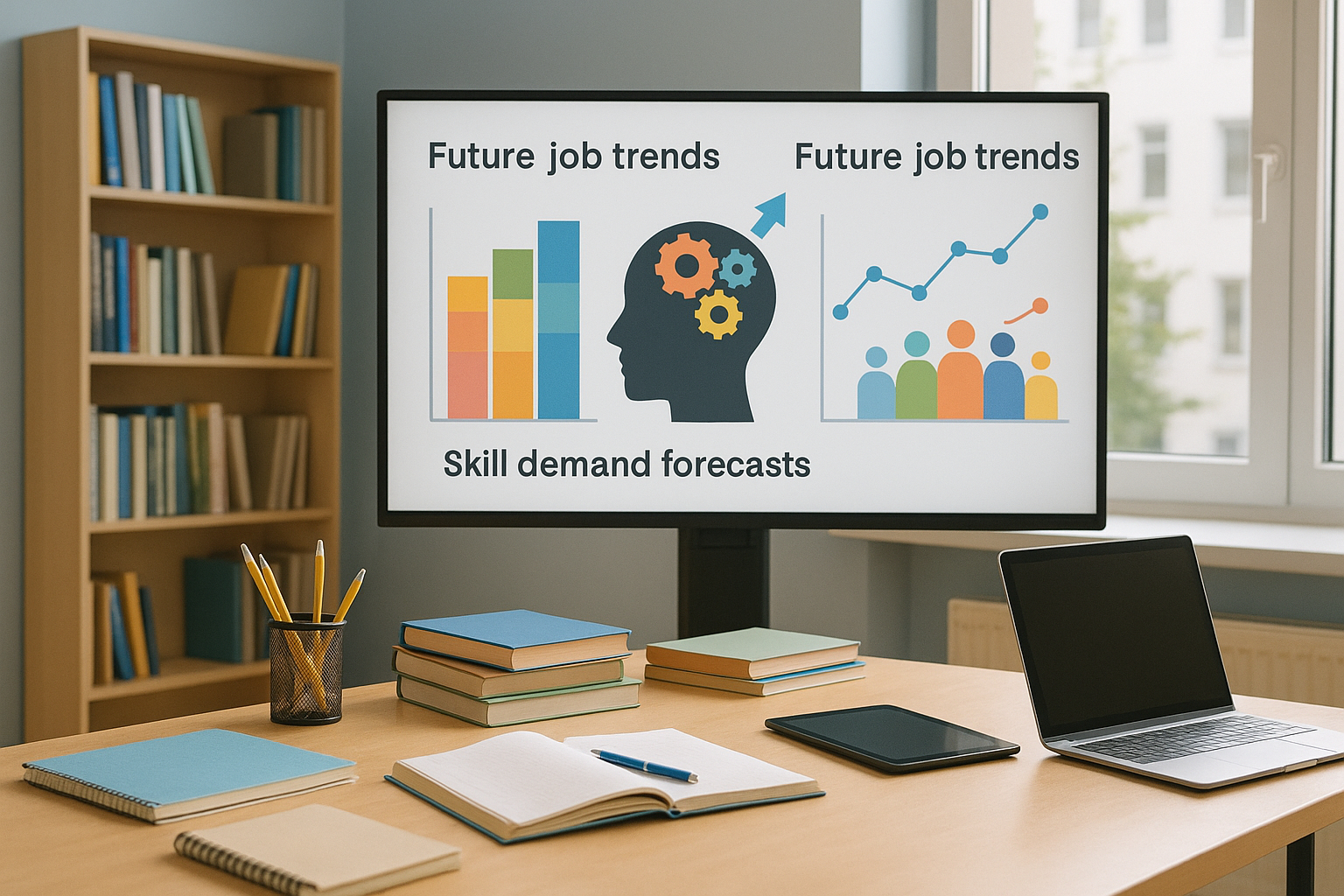
As industries evolve at unprecedented speed, schools face growing pressure to prepare students for jobs that may not yet exist. Artificial intelligence is becoming a powerful tool in this effort, helping educators analyze workforce trends, identify emerging skills, and adapt curriculum accordingly. By turning massive datasets into actionable insights, AI empowers schools to stay ahead of economic changes and better equip students for a rapidly shifting future.
Analyzing Workforce Trends in Real Time
AI systems can process labor market data from millions of job postings, industry reports, and economic forecasts. These tools identify rising skills — such as robotics, data science, cybersecurity, or green technologies — long before they become mainstream. Schools can use these insights to update course offerings and introduce new programs that align with future job opportunities, ensuring students develop relevant competencies.
Matching Curriculum to Industry Needs
One of the biggest challenges in education is aligning academic content with real-world expectations. AI tools help bridge this gap by comparing curriculum standards with current employer demands. When skills gaps appear, educators can modify lesson plans, integrate technology training, or introduce hands-on learning experiences that build practical knowledge. This alignment creates stronger pathways from classroom learning to career success.
Helping Students Discover High-Demand Career Paths
AI-powered guidance tools can analyze student strengths, interests, and performance to recommend emerging career opportunities. By connecting individual profiles with market trends, these systems help students understand which skills will be most valuable in the future. This personalized guidance encourages better decision-making and supports long-term success.
Supporting Long-Term Workforce Planning
Governments, school districts, and institutions can use AI to forecast regional skill demands and develop strategic education policies. Whether planning new vocational programs or expanding STEM initiatives, these insights ensure that educational systems remain agile and responsive. This forward-looking approach helps communities grow stronger, more competitive workforces.
Conclusion
AI is playing a transformative role in helping schools anticipate future skill demands. By analyzing market trends, aligning curriculum with industry needs, and guiding students toward high-demand career paths, AI supports a more strategic and future-ready education system. As technology continues to evolve, schools equipped with AI insights will be better positioned to prepare students for success in an ever-changing world.