Crafting a compact learning framework helps busy learners make steady progress without burnout. Rather than large, vague goals, small, repeatable practices create measurable habits and clearer outcomes. This article describes a practical approach to design weekly routines, pick focused resources, and track gains. It emphasizes balance between deliberate practice, reflection, and flexible scheduling so learning fits existing life rhythms. The guidance here is adaptable across topics, from languages to technical skills.
Why a Learning Framework Matters
A simple framework reduces friction by turning vague intentions into specific actions. It creates guardrails that protect time for study, specify what counts as progress, and reduce decision fatigue. Evidence from habit research shows consistency beats intensity for long-term retention and skill acquisition. With a lightweight structure, learners can iterate quickly and adjust priorities without losing momentum. A clear routine also helps prioritize which skills deserve focused attention this season.
Starting with a framework gives early wins that compound. Those wins fuel motivation for sustainable growth. Momentum also builds resilience when challenges arise.
Designing a Compact Weekly Learning Plan
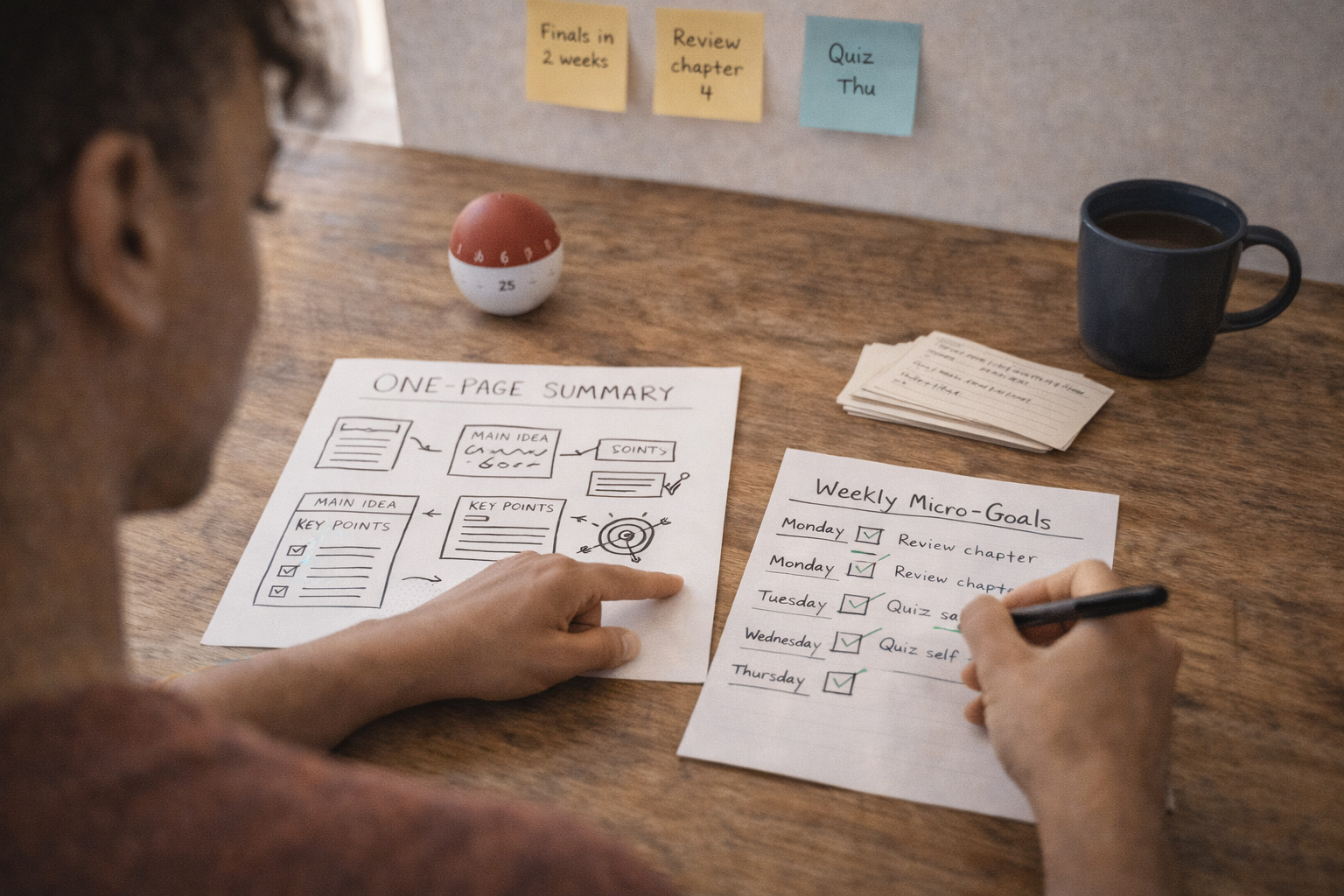
Begin by defining a clear micro-goal for the week: a concept to master, a technique to rehearse, or a set of problems to solve. Allocate short, focused sessions—25 to 50 minutes—spread across days rather than one marathon block. Prioritize active methods: problem-solving, teaching back, or creating a one-page summary, rather than passive review. Choose two reliable resources and reserve one session for synthesis and reflection. Block a fixed synthesis slot to combine learning into usable outputs like notes, small projects, or teaching moments.
This structure keeps the plan achievable while preserving depth and intentionality. Small, repeated efforts accumulate into noticeable improvement within weeks. Adjust the resource mix when a source stops producing progress to keep learning efficient.
Keeping Momentum and Measuring Progress
Track simple indicators: minutes spent, tasks completed, or a scored self-test at the end of the week. Use quick reflections to note what worked and what needs change, and schedule the adjustment for the next cycle. Celebrate small wins and accept occasional missed sessions as data, not failure. If progress stalls, toggle variables: session length, format, or the micro-goal, and test the new setup for two cycles. Consider pairing up with a peer or mentor for accountability and richer feedback.
Regular measurement makes abstract growth tangible and informs smarter planning. Over time, the feedback loop sharpens both efficiency and enjoyment. Iterative tweaks keep the process responsive and prevent plateaus.
Conclusion
A compact learning framework turns aspiration into repeatable habits that fit a busy life. By planning small goals, prioritizing active practice, and measuring outcomes, learners sustain progress. Start small, iterate often, and let consistent effort compound into meaningful skill development.