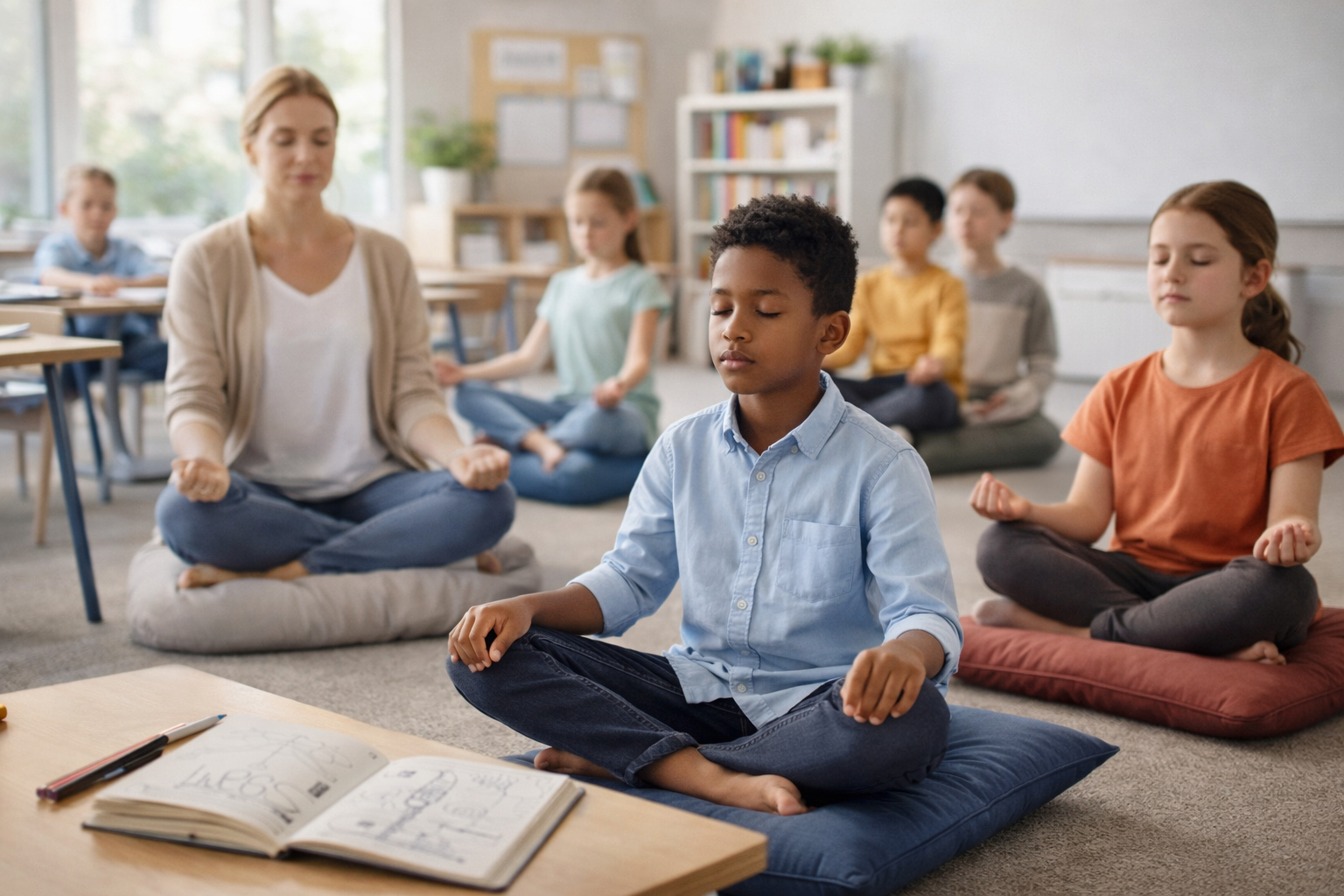
Education has long focused on academic knowledge and technical skills, but today’s learning environments demand more holistic approaches. Students face increasing pressure from academic expectations, digital overload, and social challenges. Mindfulness offers a practical way to support mental well-being while strengthening focus, emotional regulation, and learning readiness. Integrating mindfulness into curricula helps create healthier, more effective educational experiences.
Supporting Focus and Cognitive Performance
Mindfulness practices train attention and awareness, skills that directly support learning. Simple techniques such as breathing exercises or short reflection periods help students center their attention before engaging with complex material. Improved focus reduces distraction and enhances comprehension, making classroom time more productive. Over time, students develop stronger concentration habits that benefit academic performance across subjects.
Building Emotional Regulation and Resilience
Learning is deeply connected to emotional states. Mindfulness helps students recognize and manage stress, frustration, and anxiety before these emotions disrupt learning. By developing emotional awareness, students respond more thoughtfully to challenges rather than reacting impulsively. This resilience supports persistence, confidence, and healthier responses to academic pressure.
Creating Inclusive and Supportive Learning Environments
Mindfulness practices foster empathy, self-awareness, and respect for others. When students learn to pause and reflect, classrooms become more inclusive and collaborative. These practices support positive peer interactions and reduce conflict. A mindful environment helps students feel safer and more supported, which is essential for meaningful learning.
Strengthening Social and Life Skills
Beyond academics, mindfulness develops transferable life skills. Students learn self-regulation, reflection, and intentional decision-making. These skills are valuable in personal relationships, future careers, and civic life. Embedding mindfulness in education prepares students for real-world demands that extend beyond exams and grades.
Supporting Educators and Classroom Culture
Mindfulness benefits educators as well as students. When integrated into daily routines, it supports calmer classrooms and more intentional teaching. Educators gain tools to manage stress and model emotional balance. This shared practice strengthens classroom culture and improves overall learning dynamics.
Practical Integration Without Added Burden
Mindfulness does not require extensive curriculum changes. Short practices woven into existing schedules can deliver meaningful benefits. Consistency matters more than duration, making mindfulness a sustainable addition rather than an extra obligation. Small, regular practices can create lasting impact.
Conclusion
Mindfulness belongs in every curriculum because it supports focus, emotional well-being, and inclusive learning. By developing self-awareness and resilience alongside academic skills, education becomes more balanced and effective. Mindfulness prepares students not just to learn, but to thrive.