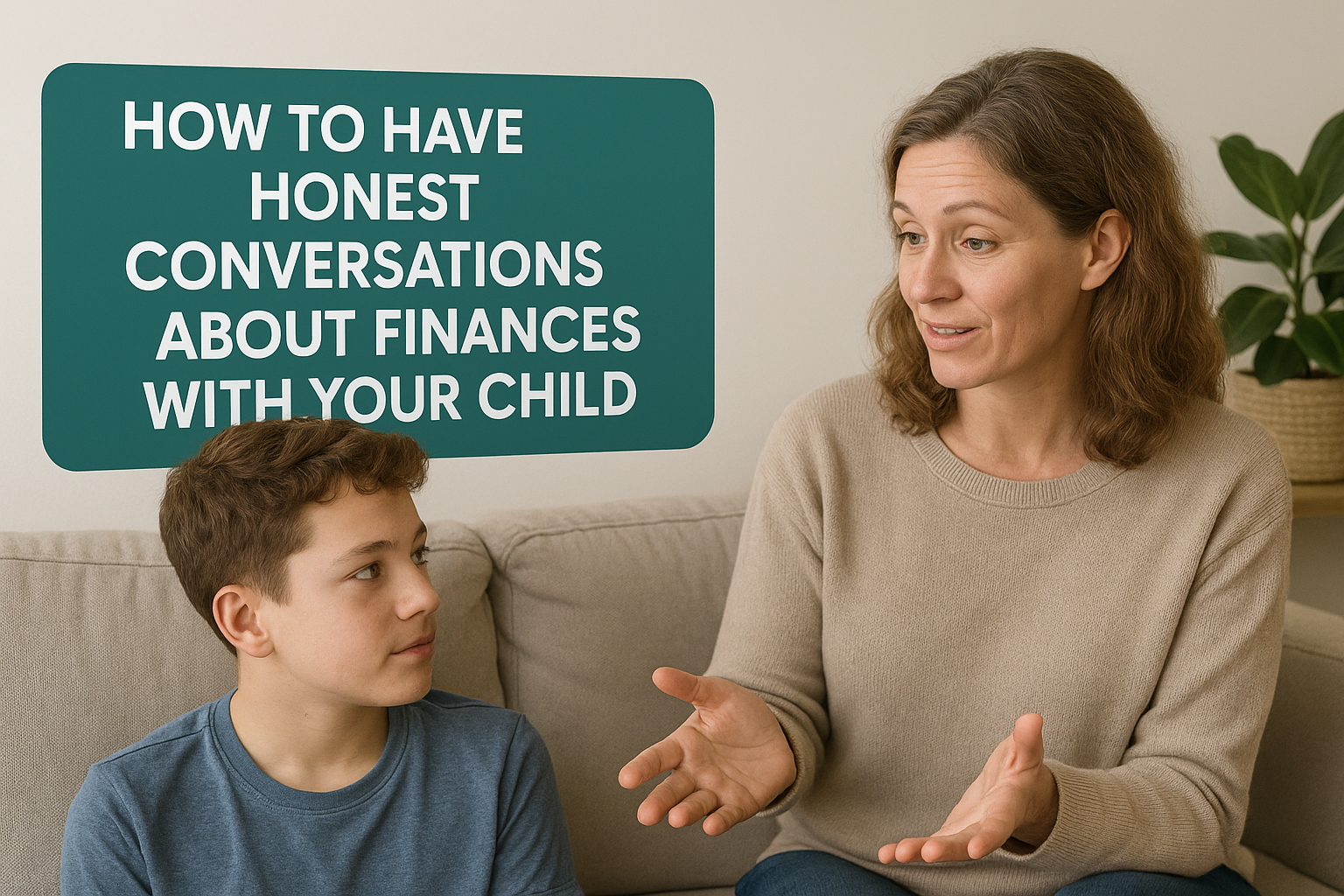
Teaching children about money is one of the most valuable lessons a parent can provide. In a world filled with digital purchases, online ads, and easy access to spending, kids benefit greatly from early and honest financial guidance. Open conversations help them build confidence, form healthy habits, and understand the real value behind every dollar. With the right approach, parents can transform everyday moments into meaningful financial learning opportunities.
Start Early With Simple, Age-Appropriate Conversations
Children don’t need complex explanations to begin understanding money. Start with basics—saving, spending, and sharing. Use real-life examples such as grocery shopping or setting aside coins for a goal. As kids grow, gradually introduce concepts like budgeting, needs versus wants, and long-term goals. Keeping conversations age-appropriate ensures your child stays engaged and learns at a comfortable pace.
Be Transparent About How Money Works in Daily Life
Children are naturally curious, and financial transparency helps demystify money. Share how you plan for expenses, save for future needs, and prioritize your spending. You don’t need to reveal every detail—just enough to help them understand that money is earned, managed, and planned for responsibly. This openness builds trust and reduces anxiety around financial discussions as they get older.
Use Real Examples to Teach Smart Decision-Making
Kids learn best through relatable scenarios. When they ask for a new toy or gadget, turn it into a teachable moment. Discuss cost, quality, and whether it aligns with their savings goals. Let them compare options or decide whether to wait for a better choice. These conversations help children develop critical thinking and understand the consequences of impulsive decisions.
Encourage Saving and Goal Setting
Help your child set simple saving goals—whether it’s for a book, a game, or a special outing. Provide tools like a clear jar, a savings chart, or a child-friendly banking app so they can track progress visually. Reaching their goals teaches patience, discipline, and the satisfaction of earning something through effort.
Model Healthy Financial Behavior
Children observe far more than we realize. Demonstrating responsible financial habits—creating budgets, avoiding unnecessary purchases, and discussing financial priorities—reinforces what you teach them. When kids see consistency between your actions and your words, the lessons become far more impactful.
Conclusion
Honest conversations about money help children build lifelong financial confidence. By starting early, staying transparent, and using everyday experiences as teaching moments, you empower your child to make smarter financial choices. These early discussions lay the foundation for a strong, healthy relationship with money as they grow.